


Active loudspeakers are becoming all the rage these days. Partly driven by their space saving proportions (meaning not having to accommodate standalone amplifiers) and also thanks to improvements in wifi quality and streaming services, so that a loudspeaker can now also operate as a fully fledged system, and with credible results.
ATC isn’t of course new to the active game, it’s been making self-powered versions of its passive loudspeakers for decades, intended initially for pro and then home use (hence the Studio Controlled Monitor ‘SCM’ acronym in the model name).
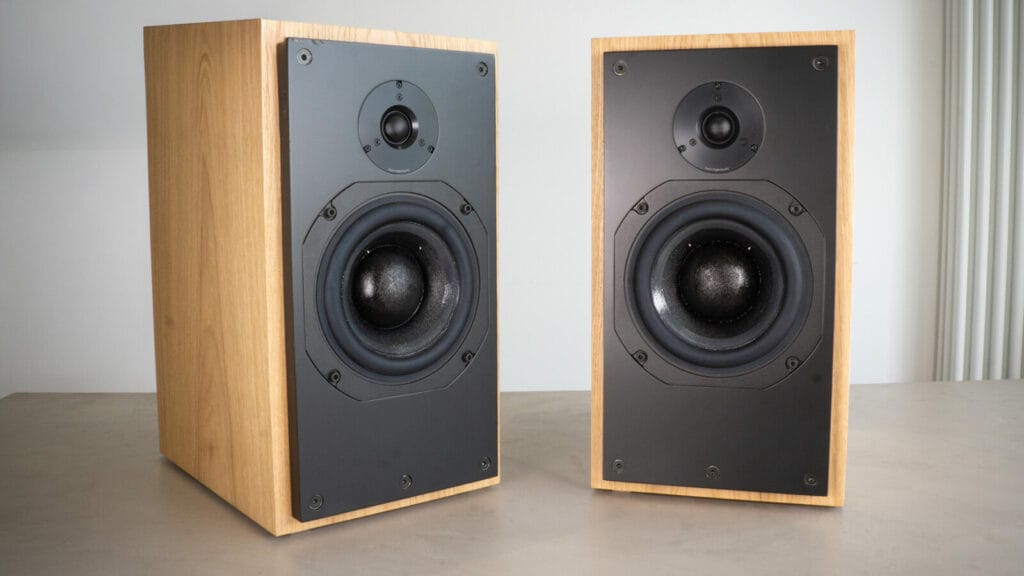
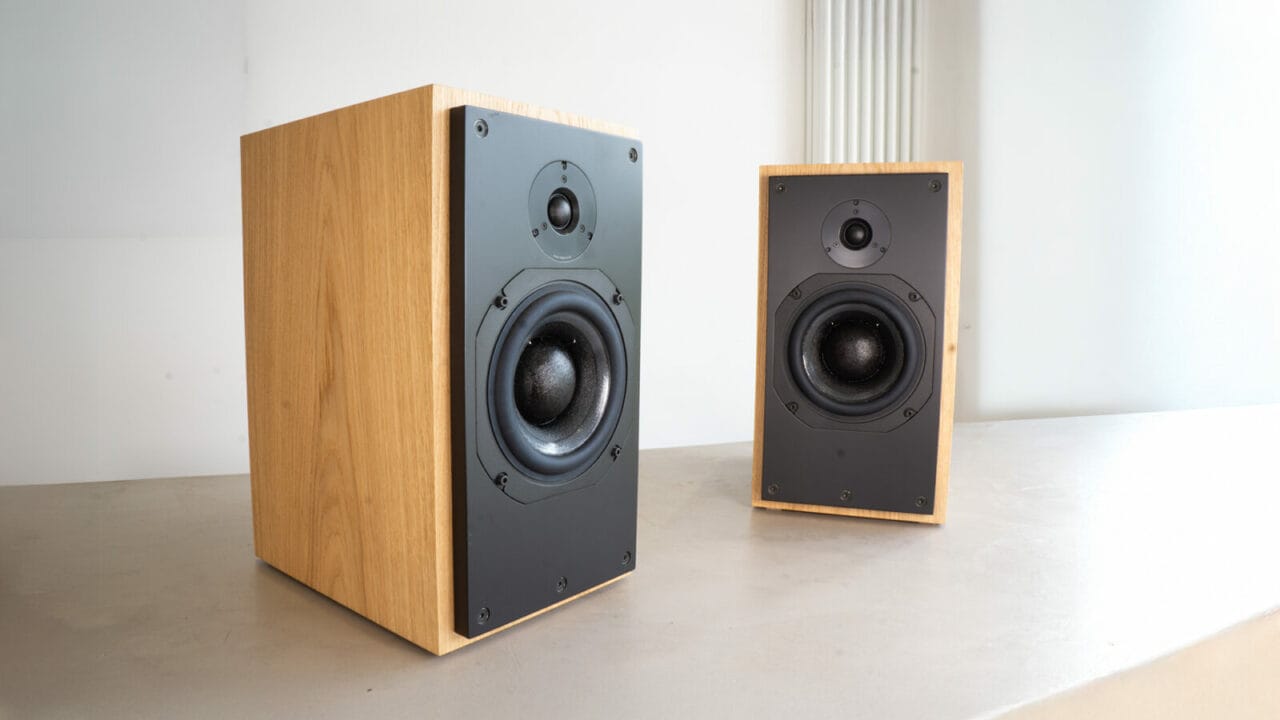
The SCM20 ASL is a handsome speaker, that errs on purposeful over pretty
But unlike many, it doesn’t do this to jump on the convenience bandwagon, as ATC’s driving force is (and always has been) quality and accuracy.
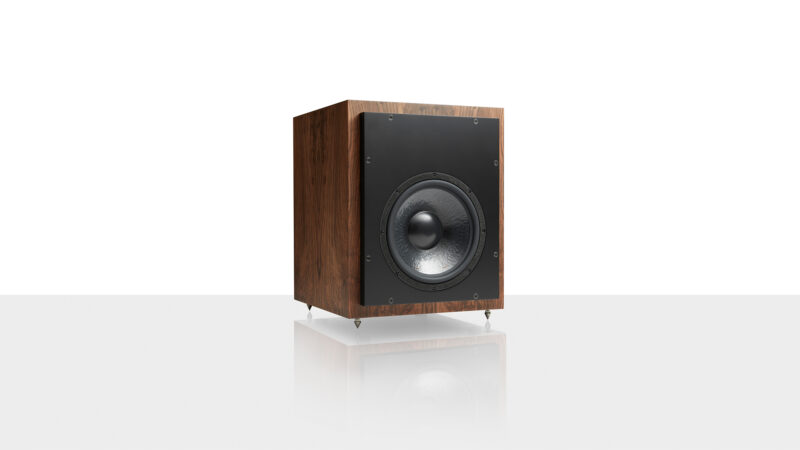
This model’s origins go back some decades in passive form, but its active equivalent was always in the floorstander variant (partly because its cabinet affords them more space to house internal amps). That all changed last April, when the brand turned fifty and launched a limited run of active ATC SCM20 ASL speakers in blue with a matching sub to celebrate. They did very well by all accounts, leading to ATC announcing a permanent model a year later, making this the most compact active loudspeaker in ATC’s wheelhouse (20L to be precise, as the name implies).
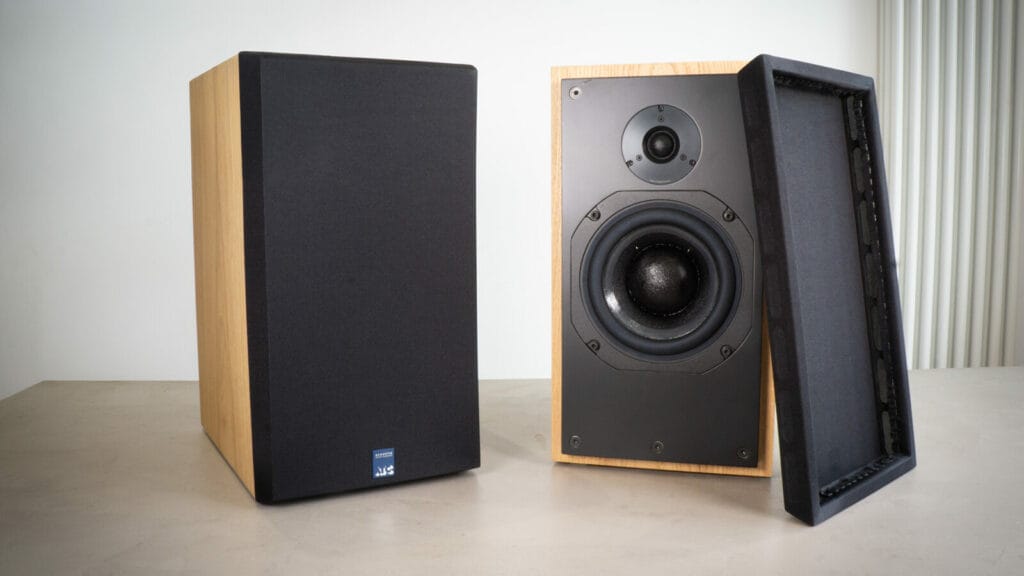
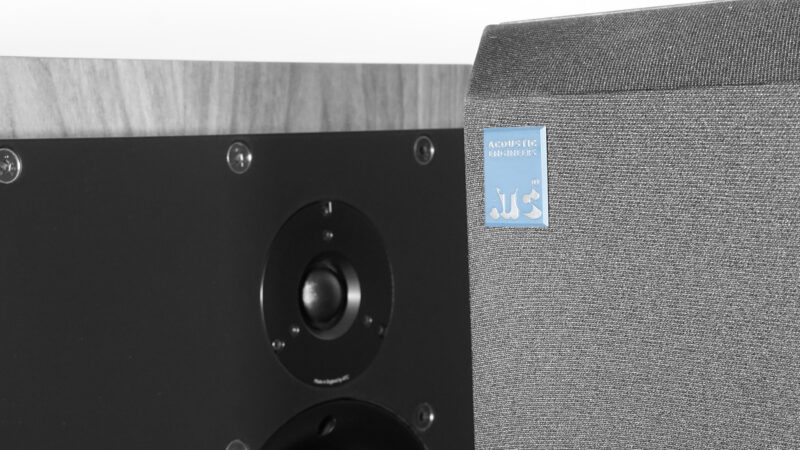
Full grilles sit snuggly around the protruded 18mm thick front baffle for a more traditional fit than the modern magnetic type
But unlike the types of active models mentioned above, what this isn’t is an all singing one box system speaker, and ATC makes no apology for that. So there’s no wifi, digital controls or intelligent streaming – it’s just good old fashioned internal power amps tailored to each driver, housed within a sealed loudspeaker cabinet.
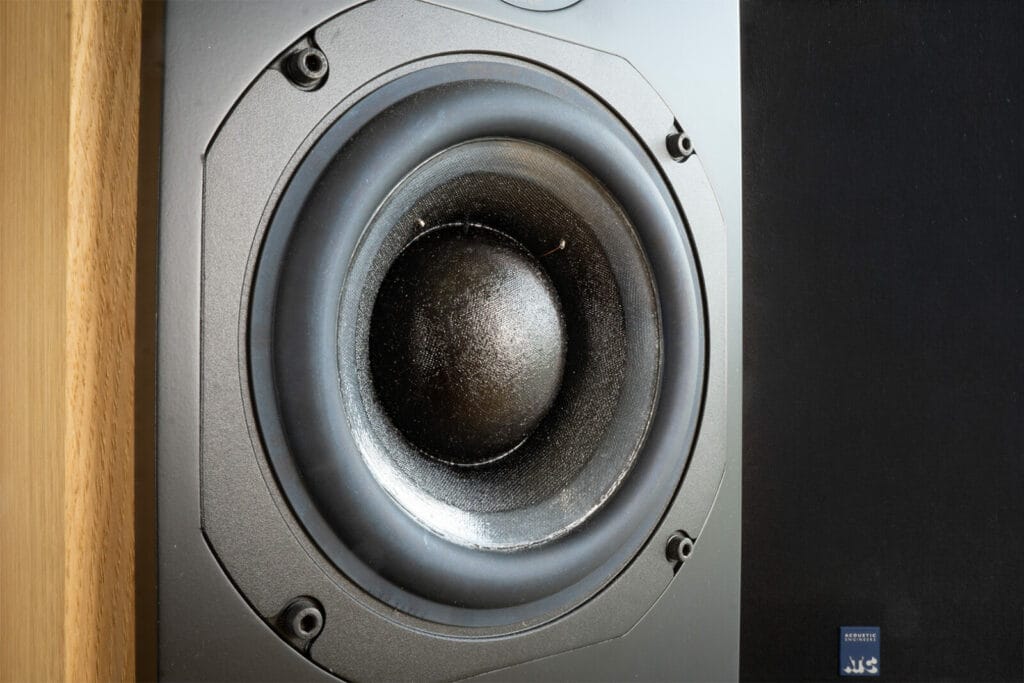
Mid/bass driver is pure ATC and equally at home in studios around the globe as it is in hifi setups, sporting a 3″ voice coil in a short coil/long gap configuration
Homegrown
And starting with those drivers, these are ATC’s own as you’d expect. Made in-house, right down to their coil windings. On mid/bass duties beats ATC’s 150mm (6″) SB75-150SL model (with the SL standing for ‘Super Linear’ magnet tech) with a large 3″ dust cap and roll surround.
This crosses over to a 25mm soft dome tweeter (model SH25-76S) at 2.2kHz, which ATC describes as ‘S-Spec’ with its dual-suspension design.
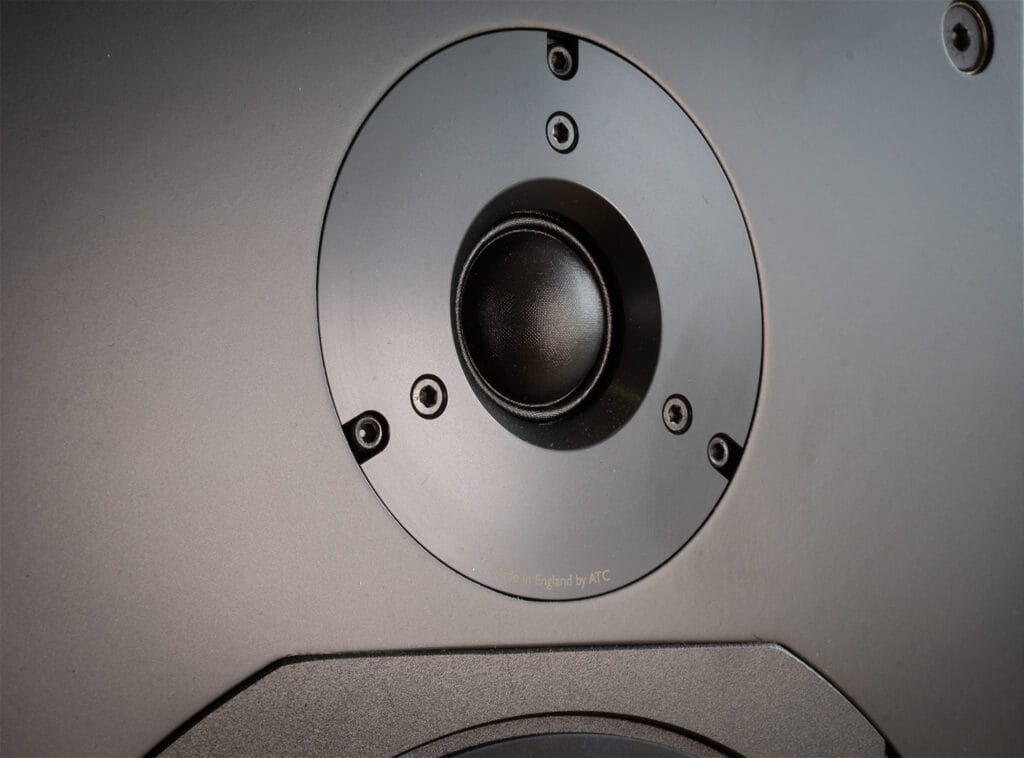
Branded 1″ tweeter’s dome is recessed within a waveguide and sports a 60mm diameter neodymium magnet ring
Being a sealed cabinet, which ATC prefers for greater low frequency control, there’s no bass port to be mindful of, which has the added benefit of freeing up rear panel real estate to host the bolted in amp-pack, in place of the SCM20 PSL’s passive crossover.

Rear panel showing the amp pack controls and substantial heatsinking
And this space is needed, because unlike many brands which would have favoured a demure Class D internal amp for convenience, ATC has spec’d one of its own Class AB MOSFET designs, with 250W on tap, split into 200W feeding the bass unit and 50W powering the tweeter.
Being dedicated to this speaker, the amp-pack comes with some controls of its own to help tailor the sounds to your room and tastes. For bass there’s cut/boost options of -1/-2dB and +1/+2/+3 dB, alongside input sensitivity trim via a toggle switch between 1V/2.2dBu and 2V/+8.2dBu (at full output). Sensitivity can then be fine tuned via an almost miniscule trim pot with recessed flat head adjuster over a 0 to -6dB range.
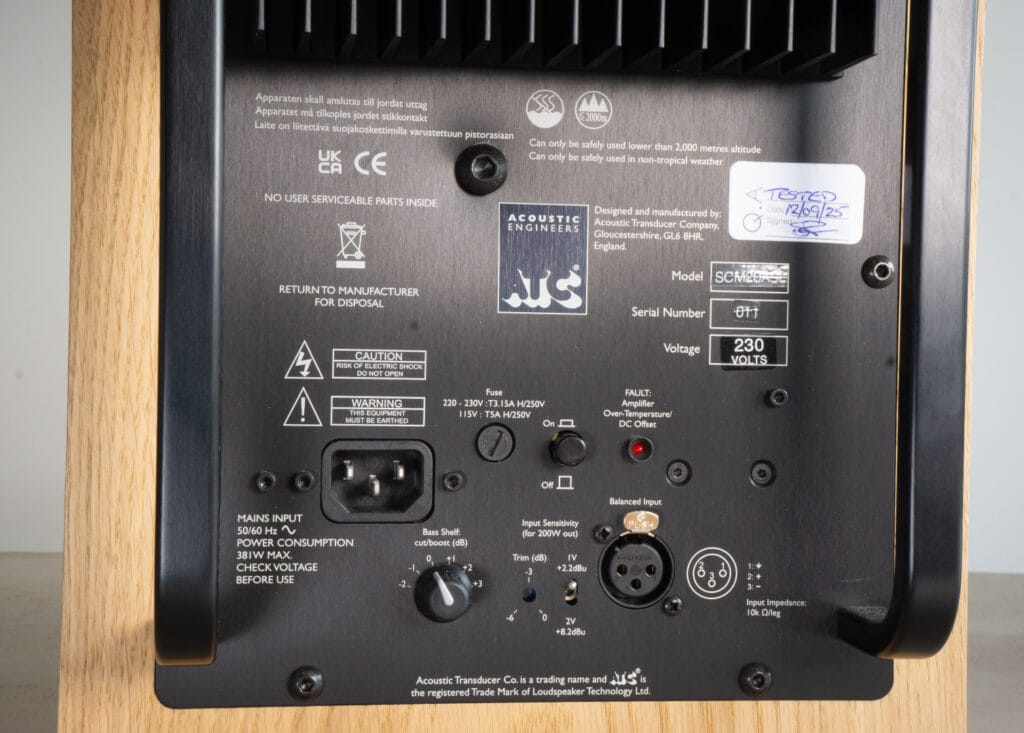
Rear panel inputs and controls with mains and signal input (XLR), power on/off, sensitivity and bass adjustment controls
While an XLR only input underlines ATC’s studio credentials, I’d have welcomed a single-ended (phono) socket on the rear panel alongside balanced as an extra option. That said its exclusion doesn’t mean that the preamp feeding the SCM20 ASL has to have XLR outputs, but it does mean if you’ve only got RCA outs, you’ll need a cable with XLRs on the other end, wired with the return and screen pins linked to the RCA’s ground.
Built to last
Unboxing the SCM20 ASL reveals their weight with solidly braced and bitumastically damped panels. And at almost 25kg each, these suckers weigh more than some floorstanders.
Built for studios generally means tough and ready for abuse, and you get the feeling that even if chucked out of a hotel window Keith Moon style, they’d dust themselves down and get back to work without any fuss, not that Mr Moon would have wanted to scratch their top quality veneer mind. And with a bucket load of standard and cost extra options available, ATC goes well beyond its rivals in offering a finish to fit your fancy.
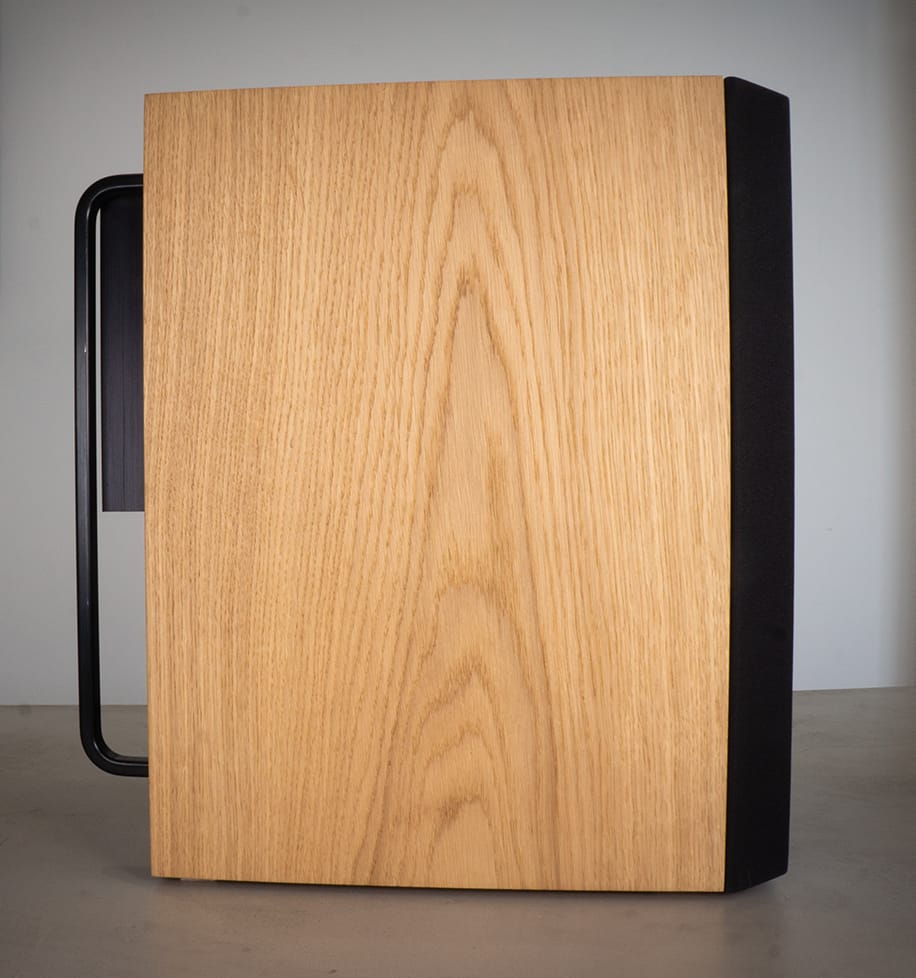
Side profile showing the SCM20 ASL’s book matched oak grain and protective grab handles, which come in handy when carting them around
Performance
Booking in a pair of ATC loudspeakers for review is a bit like getting a regular eye test. You may think your eyes are still up to scratch, but it’s only when you’re presented with a perfect lens does true clarity emerge, and this is the audio equivalent of what ATC is famed for in the hifi industry.
Continuing this analogy, like their vision, some listeners may prefer a sound that’s tinted to their taste, perhaps to soften some brightness or warm things up – and many speakers do this – it’s like the audio equivalent of popping on your favourite sunglasses. Take them off and the glare may initially seem too strong – but the trade off is the ability to take in so much more detail.
And I use this comparison to set the scene for what the SCM20 ASL do so well, by providing an honest and accurate portrayal of the music being piped through them sans rose tinted filters.
Being fed from the balanced outputs of a Musical Fidelity M6 preamplifier hooked up to a Primare CD 15 Prisma network player, SME 20/2 turntable and Primare R35 phono stage, this system melds traditional box separates with a modern twist, thanks to a digital all-in-one via the Primare and power amps within the ATCs.
Not just a numbers game
And here’s an example of that honesty – take Wunderhorse’s latest anthemic EP The Rope streamed at 24-bit/96kHz via Qobuz, and compare it to tracks off their debut Cub album from some three years earlier. Now on paper the former should present a much better audio experience, with the increased bit depth and sample rate. But no, the lowly 16-bit/44kHz album trounces it on the ATCs. Why? Because it’s simply a better recording, and that’s what these speakers reveal, regardless of what the ‘hi-res’ numbers say. And with the ATCs the gap between the two is made that much more obvious, with the later recording sounding flat and closed-in by comparison. Well as on tracks such as The Girl Behind the Glass and Morphine from Cub, instrument separation, imaging and timing are pin sharp, making for a much more exhilarating listening experience.
Reviewing these in my modestly sized dining room is a much more suitable demo space than my 30sqm listening room where I entertained their much bigger SCM100 PSL siblings, as the former is exactly the type of space they’re intended for. In here, and with plenty of furnishings but with a solid wood floor (as opposed to carpet) I find toggling between +1 and +2dB gives the right balance of bass presence without it dominating the mix.
Spinning Carolin No’s Crystal Ball from the beautifully recorded The Sounds Of Primare: Volume 1 direct metal mastered LP and the ATCs are in ideal sonic company, with those 6.5″ drivers shifting more air than seems feasible from such a compact loudspeaker. Combine this with the interplay between vocals and piano reveals how capable these speakers are when fed a better quality diet – it really is sit up, take notice and soak it up stuff. And it’s hard not to as these speakers demand your full attention, and when they get it, it’s addictive.
It’s that studio sense of taking you closer to the recording, like few others which runs through the SCM20 ASL’s DNA. Shola Ama’s You Might Need Somebody from the same LP for example sounds syrupy smooth on most systems and that seems good enough, like the sonic equivalent of a luxurious hot chocolate on a soft sofa that you can just sink into – nice, but a bit snoozy. But with the ATCs in charge boy does this track come alive. Everything from the strings to the horns, backing vocals to the funky bassline riffs just stand out that bit more. This is a sunglasses off, everything out in the open performance, and the music sounds that much more arresting for it.
They’re also an exceptionally well controlled loudspeaker meaning you’re less likely to be struggling with wayward boom, tricky room nodes or endless hours lost tweaking their positioning to get their acoustic response right. Instead site them at ear level, toe them in and they’ll do the rest. As unlike many rivals, they’re not overly room dependant and instead have a sense of unflappable consistency about them. And I like that, because it means the sounds you’re getting is what is what ATC intended and less what your room is allowing you to hear, and few manufacturers manage this as well as ATC.
In summary
It’s a shame I’m not minted, because if I was a pair of ATC SCM20 ASL or their passive brothers would be my go to standmount reference speakers of choice, especially for comparison purposes. Sure they’re less forgiving than some, and more controlled than others, but the flip side is that they’re also more rewarding than most.
And while £6.5k buys you a lot of loudspeaker these days, if you want bigger boxes for your buck then look elsewhere, but if you’ve a modestly sized room and favour longterm ownership that’s all about accuracy, detail and being taken closer to the source then these are ideal. And let’s not forget you’re getting two tailored power amps as part of package, making the ATC’s standout from rivals.