


I’ve been involved in audio for many years, and over that time I’ve accumulated a lot of hifi equipment — most of which I can’t bring myself to sell. Much to the amusement of fellow reviewers, I’ve ended up with quite a collection of amplifiers, DACs, and cables. Needs must.
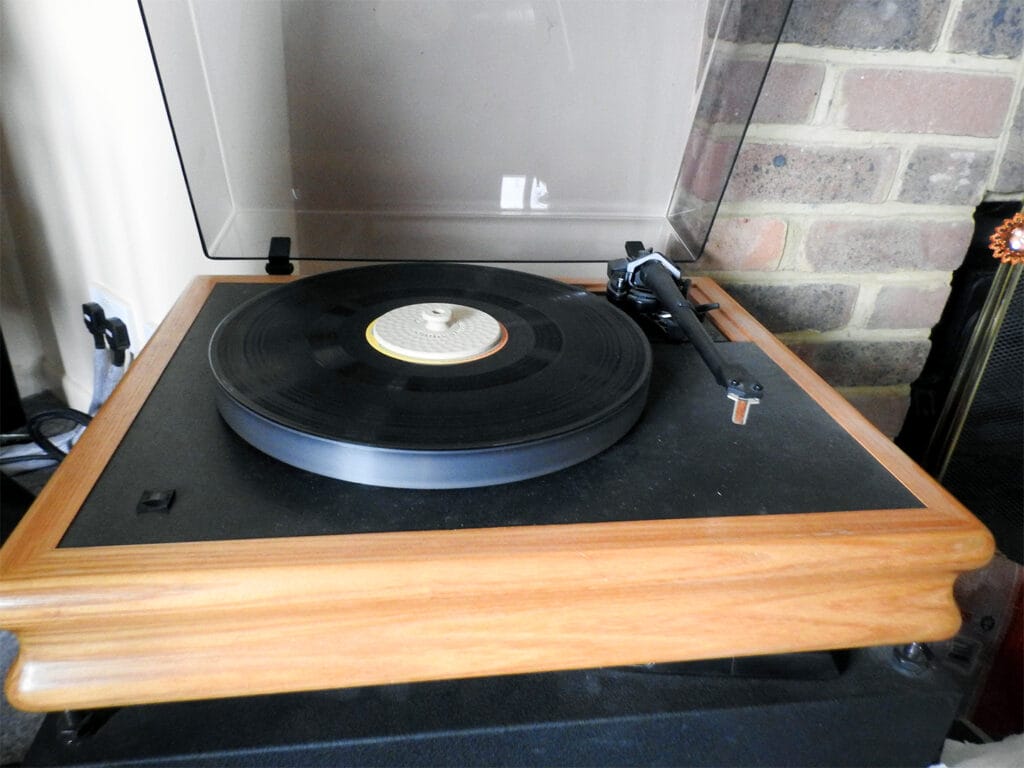
I’ve loved vinyl since I first started listening to music, but for a long time, it wasn’t practical while I was working away from home. When I’d finally settled in one place, I jumped at the chance to buy a Voyd Reference 0.5 turntable, fitted with an SME V arm and an Audio Note Io moving-coil cartridge, powered by a rather “special” Audio Note power supply.
Vinyl magic
The whole assembly sits on a huge solid metal stand that weighs an absolute ton. Moving it has become something of a ritual: I step inside the frame, lift it, and carefully walk it to its new position.
From there, the system feeds the delicate signal into an Audio Note transformer before passing it on to the amplifiers. I’ve owned this front end for more than twenty years and enjoyed every minute of it. Vinyl still has a certain magic and “humanness” that other formats struggle to replicate.
A recent direct-cut album recorded by Mike Valentine, featuring Claire Teal with the Syd Lawrence Orchestra, completely redefined what I thought vinyl could do dynamically. The experience was nothing short of breathtaking.
Digital delights
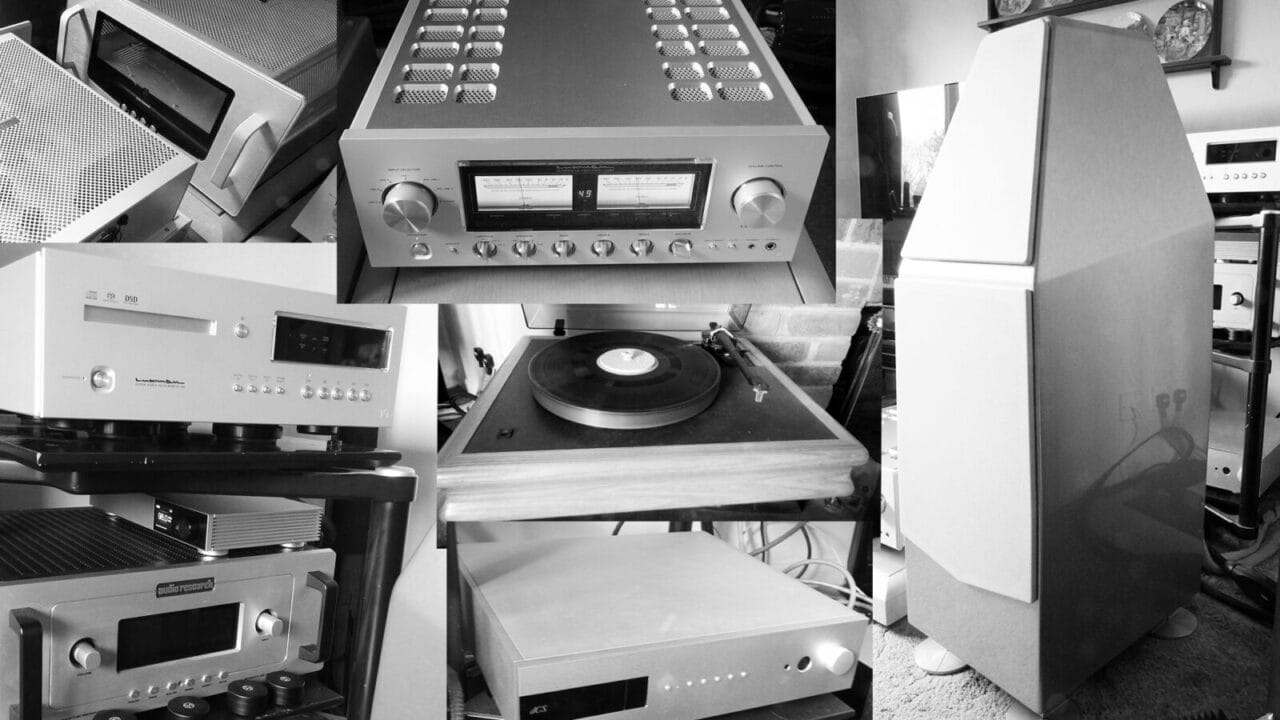
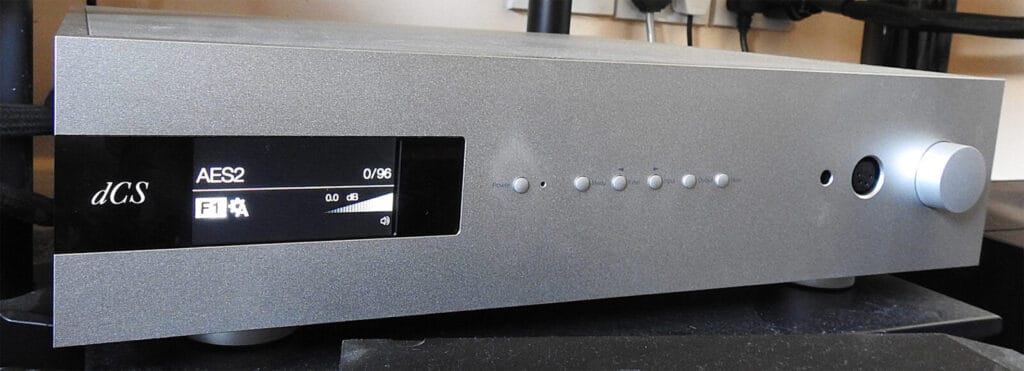
I’ll admit it — I own a few DACs. My main digital sources are a dCS Bartók DAC/streamer, a Luxman D-10X CD player, and an Audio Research Reference 9 CD player. The Bartók though, is the star of the collection, delivering a direct, clean, and yet slightly warm sound.
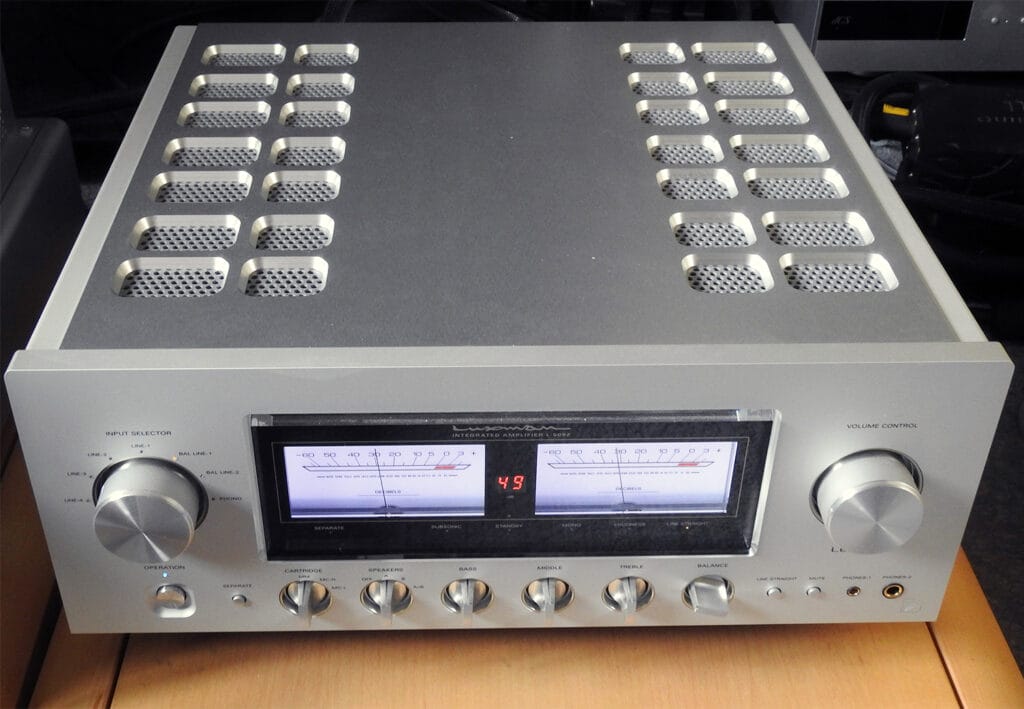
The Luxman CD player pairs beautifully with my Luxman 509Z amplifier, which perhaps is no surprise, and both look the part, especially with those striking VU meters. Luxman’s build quality is exceptional too, and gives a real sense of pride of ownership.
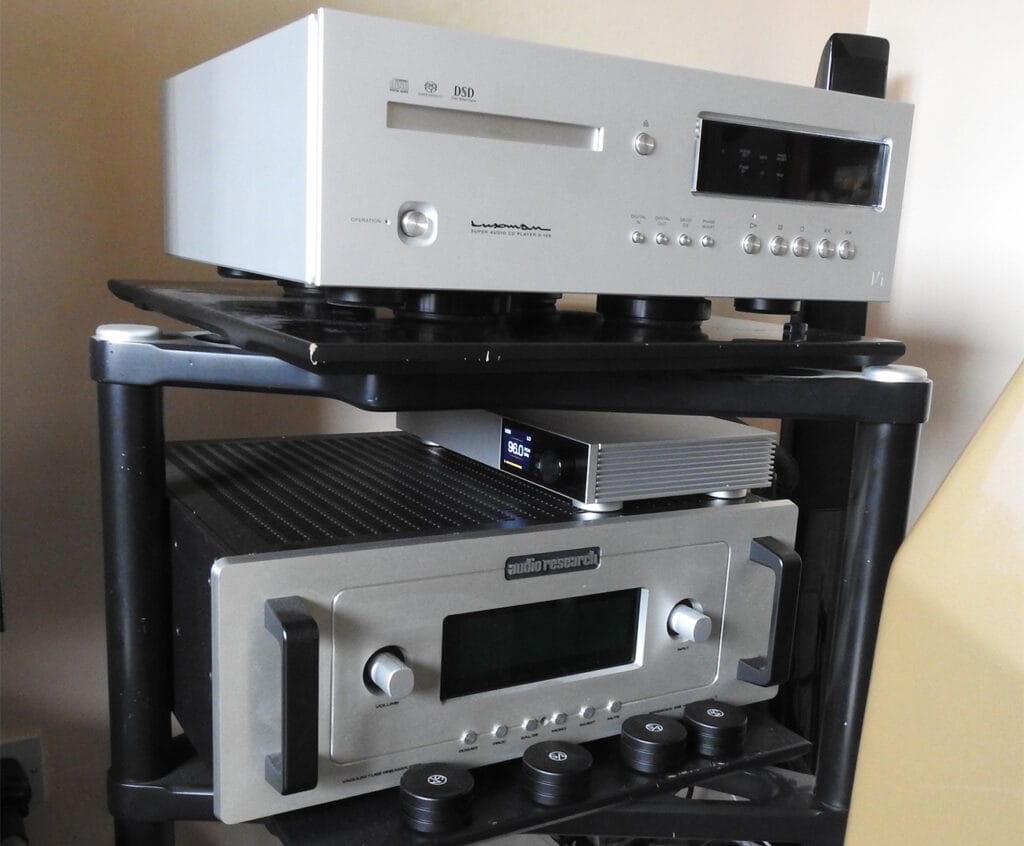
As for the AR Ref 9, I waited years to find one on the used market. It arrived in excellent condition with barely used valves.
While it doesn’t match the absolute clarity and detail of the other two digital sources, it has a magical, musical quality that lets me relax, listen for hours, and simply enjoy the music.
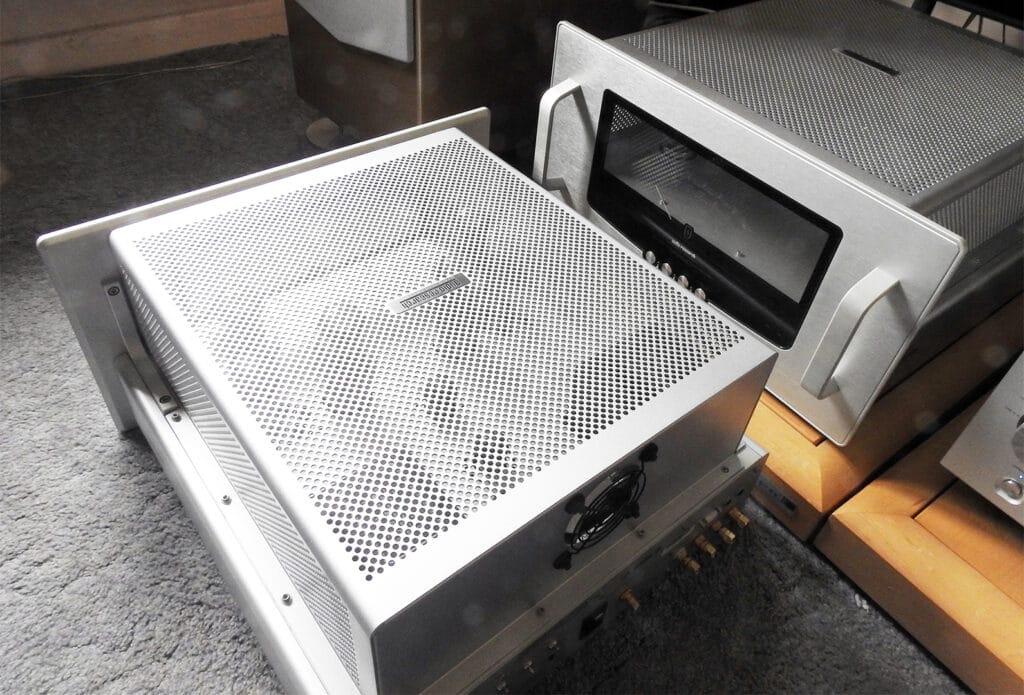
As a valve enthusiast, I use an Audio Research Reference 5SE preamplifier with the brand’s Reference 160 monoblocks as my main amplification.
When I need more power, a Vitus RI-101 Mk II steps in effortlessly, delivering 600W per channel into 4 ohms — more than enough for any situation.
Real world Wilsons
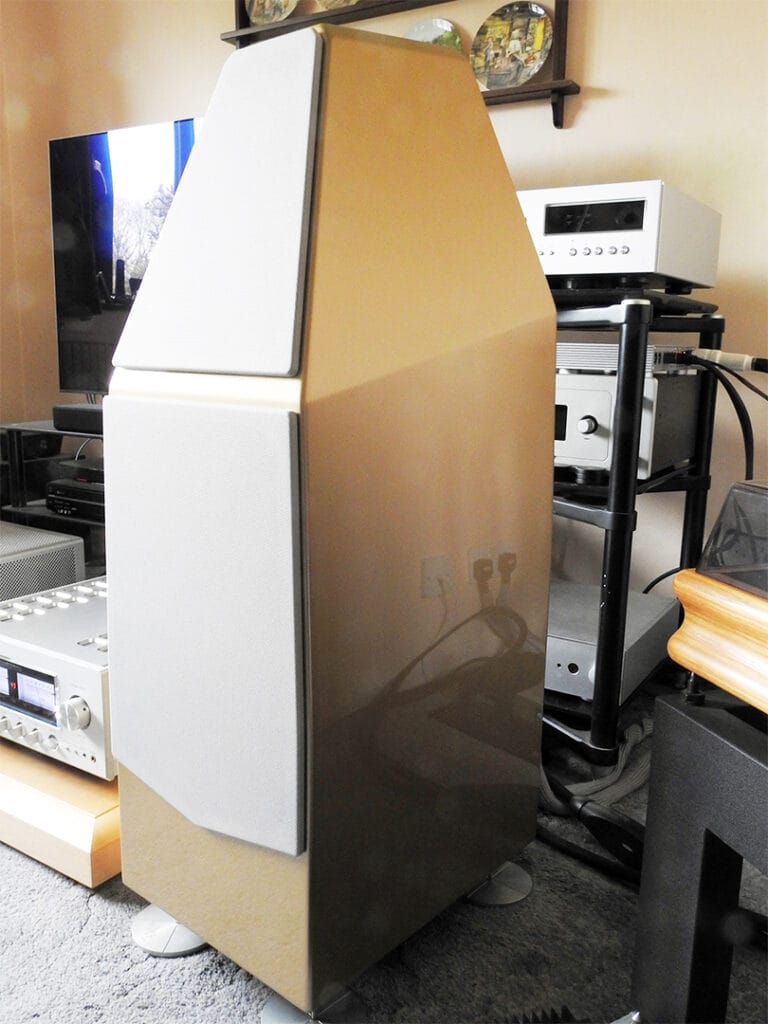
Finally, a pair of Wilson Sophia III speakers brings everything together. The Wilson sound isn’t for everyone, but I’ve found that the Sophias have become less matter-of-fact and more engaging sounding over the generations, from the Mk I though to the Mk III.
Being one-piece (unlike many Wilson speakers), the Sophias also make setup easier and place fewer demands on amplification, compared to their most costly siblings.
Although AR amplifiers work well with Wilsons in general, my 27′ x 17′ (8.2 x 5.2m) room and preference for higher listening levels make these easier-to-drive speakers an ideal choice from the Wilson wheel house.
I’ve paid close attention to supports and cables over the years and have tried a wide range. For now (at least), I’ve settled on Transparent Audio balanced cables, Gutwire and Puritan mains cables, and Quiescent Audio supports. As the power amplifiers don’t fit in my dBase rack, I place them on separate amp tables.
This system gives me enormous musical pleasure. The valves produce a natural, human sound, and when I want to turn things up, the Vitus has the power to really drive the Sophias without excess heat during the summer. The Luxman sits neatly between the two in both character and presentation.