


It’s not all late-night espressos, component swaps and beard stroking in hifi review land. Sometimes thoughts must be consigned to the page, with the office chair replacing the comfort of the listening room sofa and the midnight oil lit, as another deadline looms. But these moments shouldn’t be devoid of a soundtrack, and as hybrid working has exploded since the you-know-what at the start of the decade, more of us are demanding that our workstations cater for something better than the tinny ol’ tranny of my formative years.
The industry cottoned on to this gap in the market some time ago, spying the opportunity to build dedicated devices that specialise in the individual audio experience for the home worker, and thus desktop hifi became a thing. These systems come in a variety of guises. While some cater for dedicated headphone listening, others attach to compact speakers to offer a nearfield listening experience and of course, some players offer both.
Brands including Pro-Ject, Wiim and Eversolo have made the running in this sector over the last few years, all with excellent options that sit well under the £1,000 mark. While at the other extreme, premium options such as Chord Electronic’s hugely capable Alto (£3,000) come into view. That leaves a big gap however, which Rotel’s new DX-5 ‘Personal Audio Integrated Amplifier’ (as it is billed) fits nicely into at £1,400, being only 215mm wide.
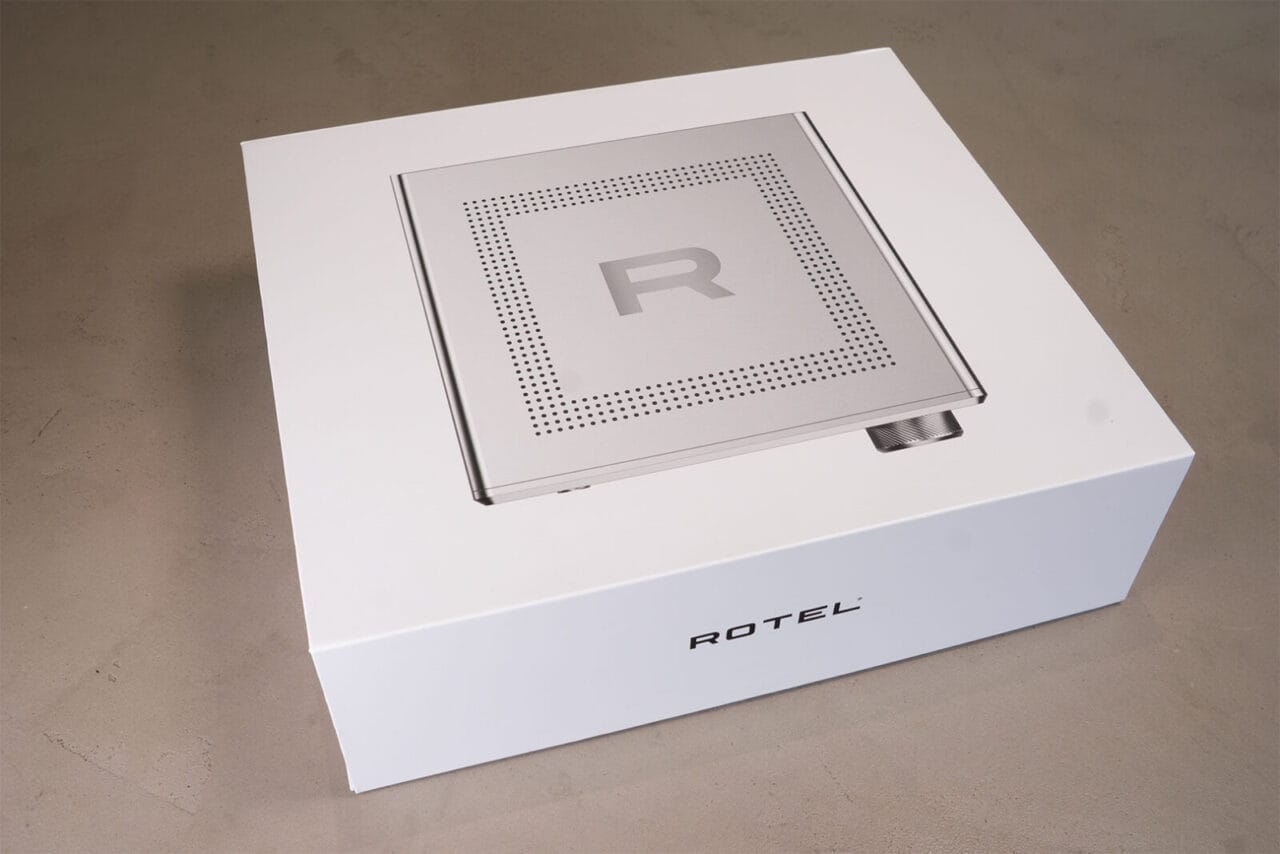
Premium packaging – stick a certain green fruit with a bite missing icon on the box and the DX-5 could be mistaken for a premium laptop
A quick browse at the spec sheet of the DX-5 may lead some to be a tad underwhelmed, when compared with full width devices like Rotel’s own A14 MKII integrated (similarly priced at £1,299).
Both are Class AB designs offering generous digital connectivity, but here their respective briefs diverge somewhat. For one, the newer DX-5 offers fewer analogue inputs (which we’ll discuss shortly) and lower power at 25W into 8Ω (33W/4Ω) falling well short of the 80W/8Ω of the A14 MKII. Look closer however and the DX-5 hits back convincingly with a much more contemporary ESS ES9039Q2M DAC and HDMI support squeezed into its compact case.
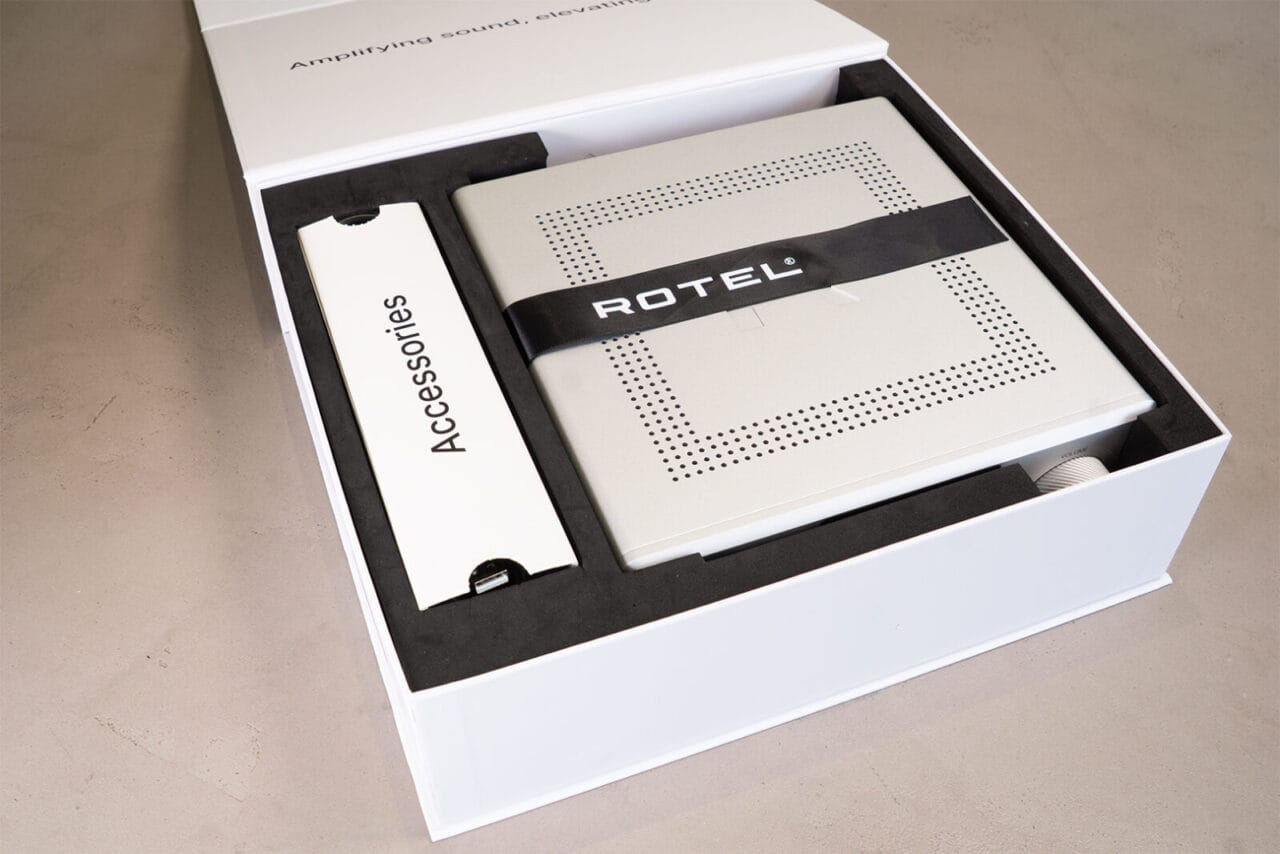
Lifting the lid, everything is nicely laid out and presented
Those who look past the feature list and write off the DX-5 on horsepower grounds alone are missing the point though. It is after all meant to be a player that will deliver its best in diminutive spaces where ‘blowing the bloody doors off’ isn’t part of the brief.
Far more important is the minimisation of electrical distortion through the signal path which plays to one of Rotel’s key calling cards, the way that it proudly retains manufacture of its own toroidal transformers, to ensure quality and consistency across this most vital element within an amplifier, the power supply.
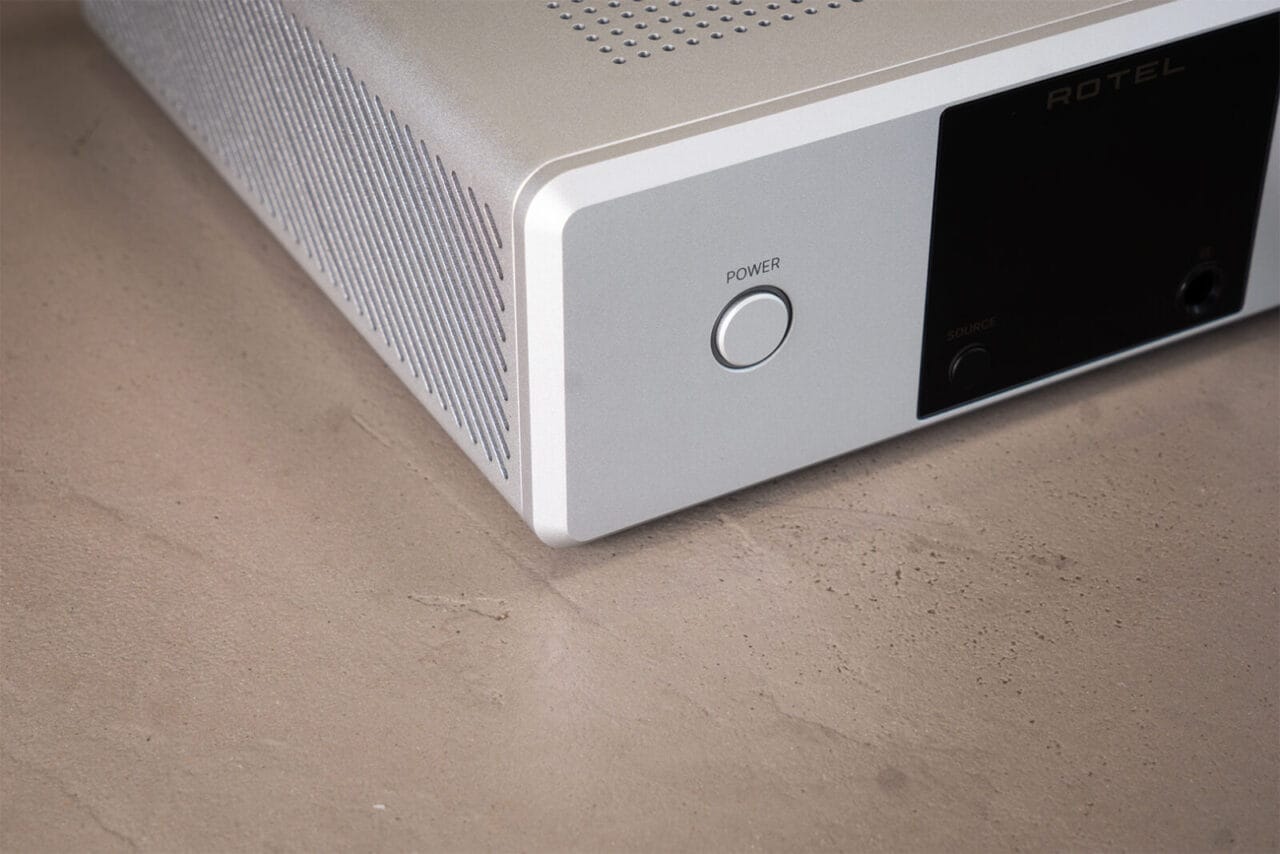
Chamfered edges and rolled corners underline the DX-5’s finely finished carcass
Office assistant
What impressions does the DX-5 offer as it is liberated from its box? Pretty positive ones if the truth be told. The packaging sits with the best in the business, with a compact box presenting the device to its owner in an attractive minimalist style, with the main unit accompanied by its remote, USB pen drive, and cables for power and USB PC connectivity.
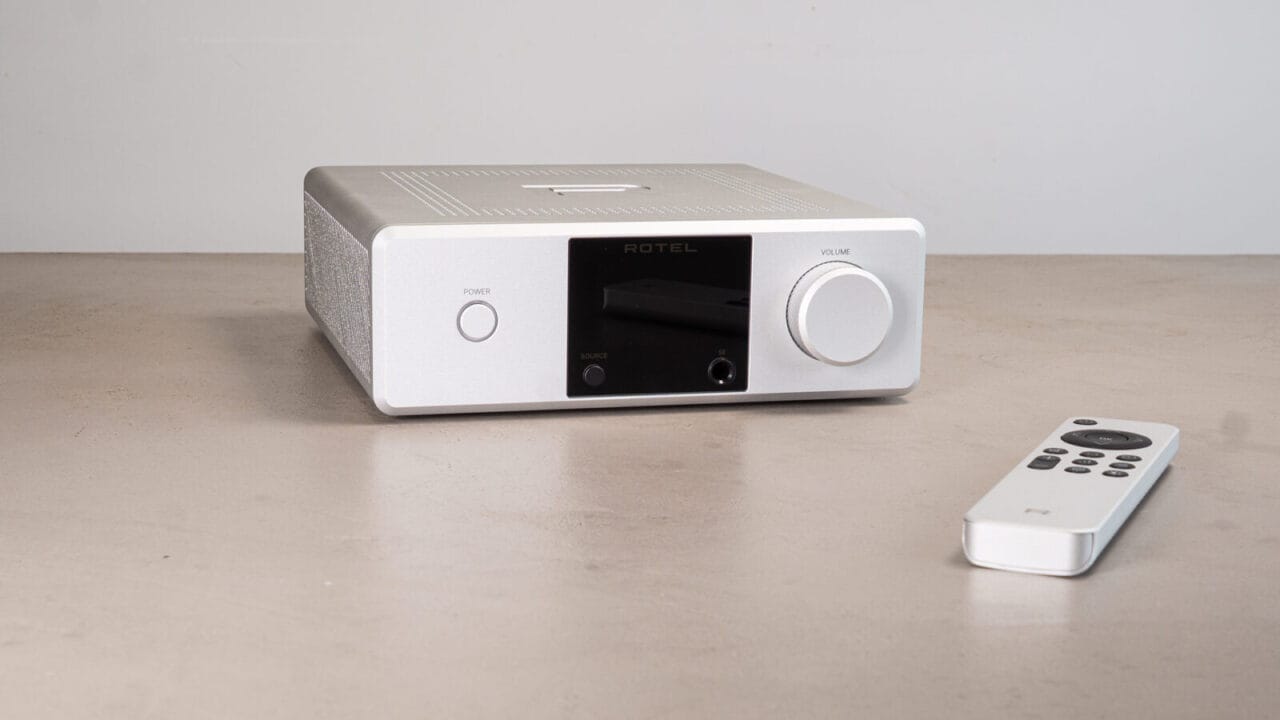
The DX-5’s fit and finish has an inherent ‘hewn from stone’ solidity to it, giving a clear signal that its target market is likely to be someone who would consider paying a premium for quality and aesthetics, in much the same way that a PC laptop might be passed over for a Macbook. The design language reinforces this view, and it’s no accident that its styling possesses more than a passing resemblance to Rotel’s halo brand, including the X430, making it a mini Michi in some respects.
Round the back there is a generous complement of digital inputs spanning USB (up to 32-bit/384kHz PCM and DSD 4X), optical and coaxial (up to 24-bit/192kHz), and Bluetooth (AAC and aptX HD). The HDMI ARC/CEC port can partner with the sub out socket to provide 2.1 capability for gamers or home cinema fans. Analogue however, is less well catered for, with only a single set of RCA inputs provided (in contrast to the four pairs plus additional phono stage that the A14 mkII boasts). This works fine if the only analog requirement is for a CD player or turntable (via an external phono stage, as the DX-5 does not include one).
With the device powered up, The DX-5’s display is impressively clear with the touch of its controls continuing to feed the premium narrative. The volume knob makes ½ decibel changes with each delicious click and the remote embraces the same materials as its mothership (more than can be said for many a pricey amp with their plasticy remotes…don’t get me started 😡).
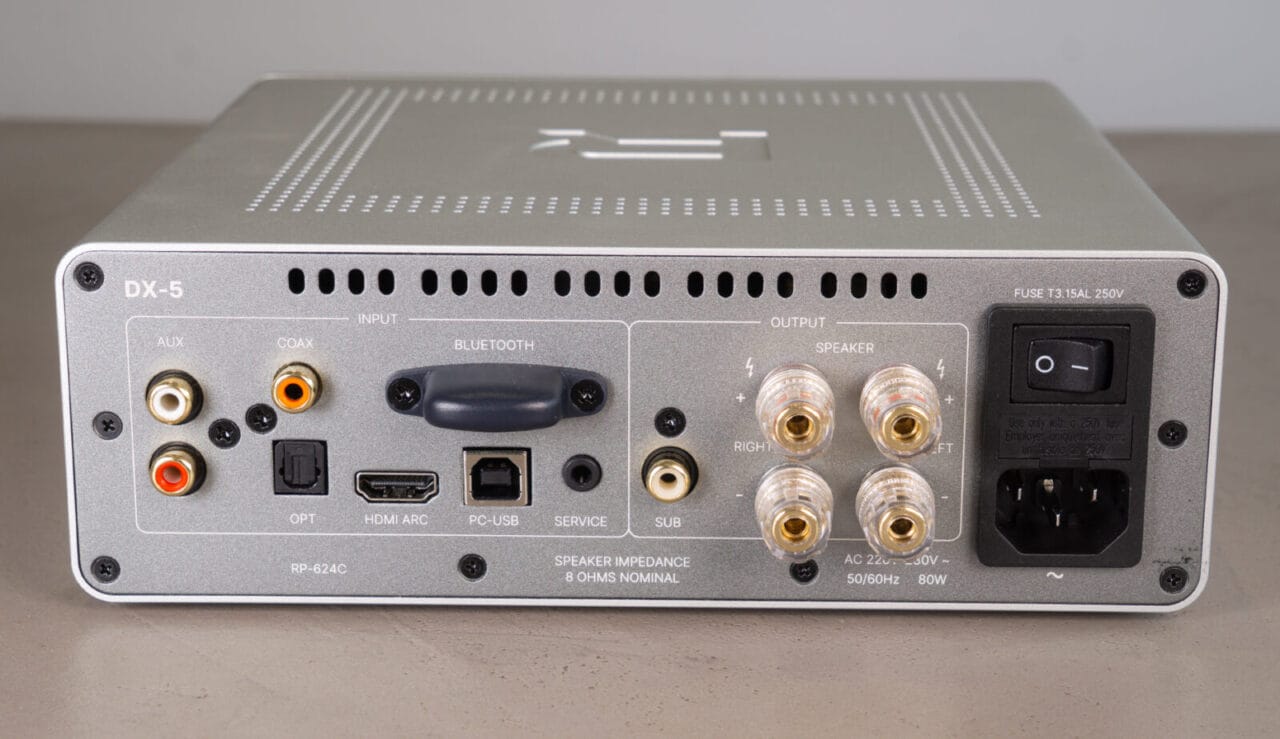
Analogue and a spread of digital inputs join a sub and speaker outputs on the DX-5’s rear panel
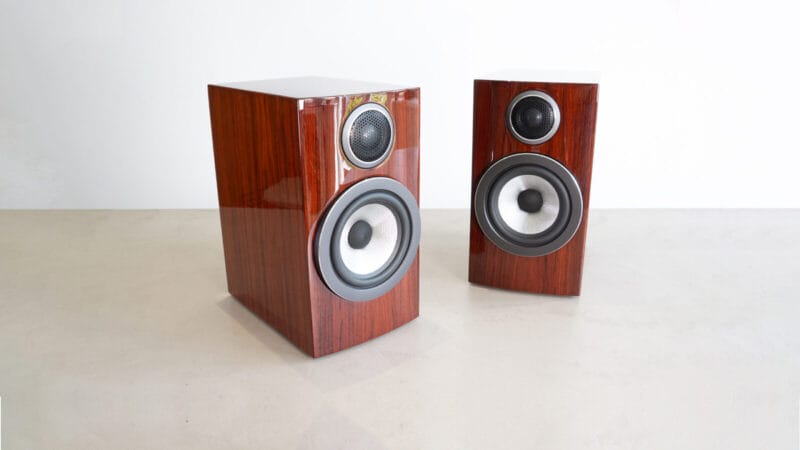
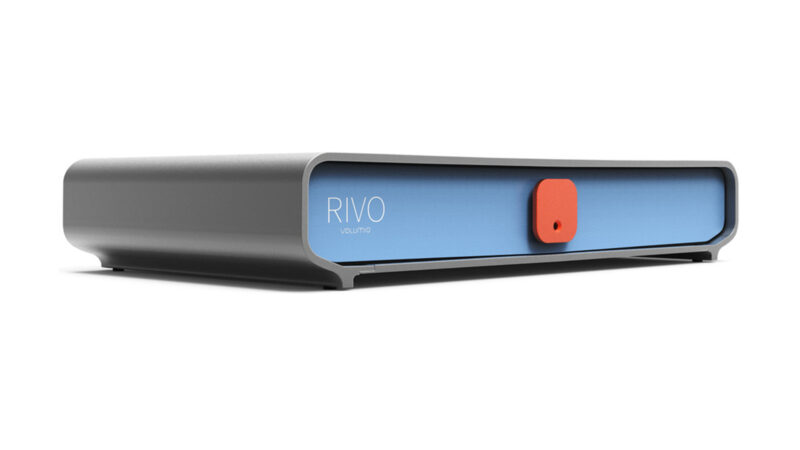
Fulfilling its brief as a personal audio device, it was off to my office to assess the DX-5’s sonic qualities. This room is a mere 3×2.5m, so I decided to assign speaker duties to Q Acoustics’ 3030i standmounters, which align perfectly to the on-paper sensitivity and power requirements of the Rotel (88dB/25W min). Source duties were handed to the Volumio Rivo streamer, with both devices fitting neatly into recesses under my monitor stand.
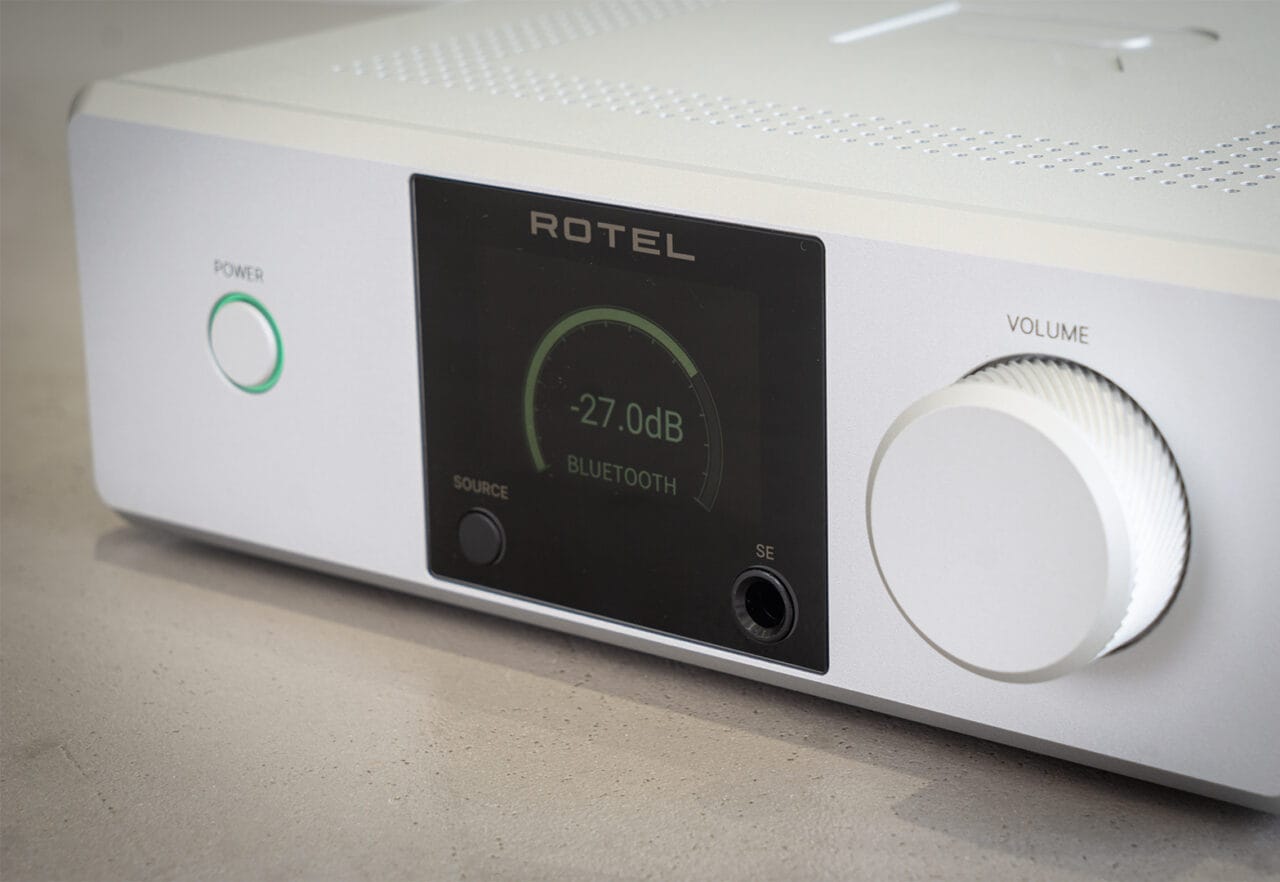
A 6.35mm headphone output adorns the front panel should the need to close out the world arise
Performance
With the practicalities addressed, it was time to see how the DX-5 performs. To help answer this question, I rekindled my association with Sky Trails by David Crosby, part of an excellent series of recordings from his late career renaissance. Playing through Tidal at 16-bit/44.1kHz (FLAC), Capitol is a track typical of the set, with its velvety smooth, jazz infused production being pleasingly lush on the ear, but with the risk of smothering finer details in less inquisitive systems.
Thankfully the DX-5 showed its ability in allowing midrange details to shine through with the patina of Crosby‘s age-weathered vocal framed by the slick instrumentation of piano, slide and acoustic guitars, resulting in a delectable sound palette. While the close proximity of the setup played very much to the Rotel’s detail revealing strengths, additional kudos must be given in its sound staging which almost bent the laws of physics, given how widely spaced and accurately placed each instrument was located in my diminutive office space.
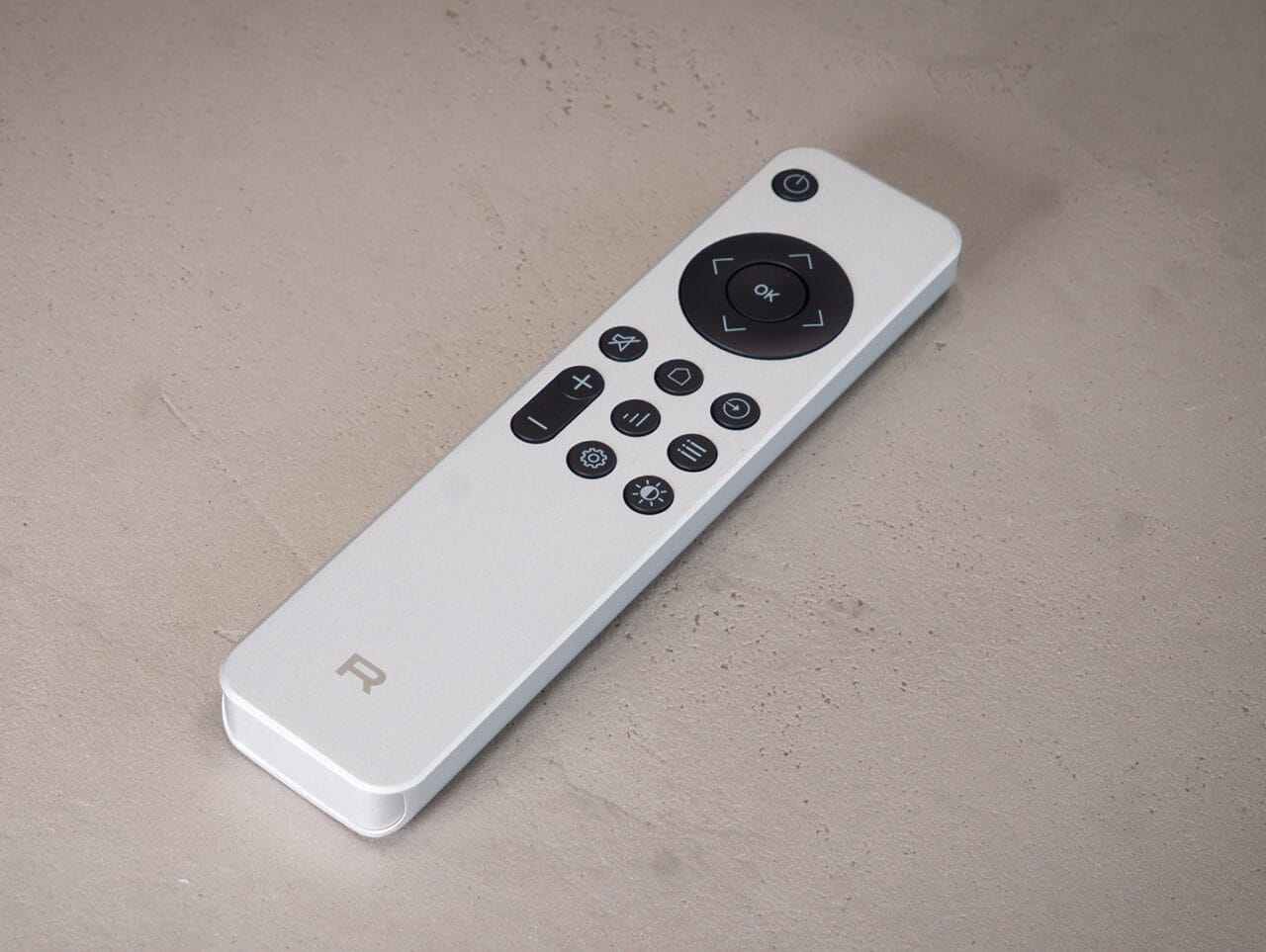
DX-5’s solid-feeling remote shares the same aesthetic as the main unit and is a delight to operate
With room for another device, I sought to exploit the benefit of the available digital inputs by harnessing the optical socket to connect my legacy Arcam Diva CD72 as a CD transport, to further assess the Rotel’s talent in converting ones and zeros. A quick rummage around my tragically under employed CD collection led my hand to James Brown’s 1970 recording, Sex Machine (Live). A brief flourish of I Got The Feelin gives way to Give It Up Or Turnit A Loose, with the resulting seven and a half minutes providing a textbook workout of transitioning across all phases of the envelope.
The results were hugely impressive with the Rotel dealing with the discrete demands of vocals, horn and rhythm sections in a way that never felt breathless, and kept my ears transfixed by the excitement and dynamism that any James Brown set demands. With that level of energy in evidence in the recording it was almost as if the Rotel was throwing as many shapes as Mr. Dynamite himself. Its timing is also exquisite, and it handled the pace without any need for me to reach for a cape to cover it afterwards!
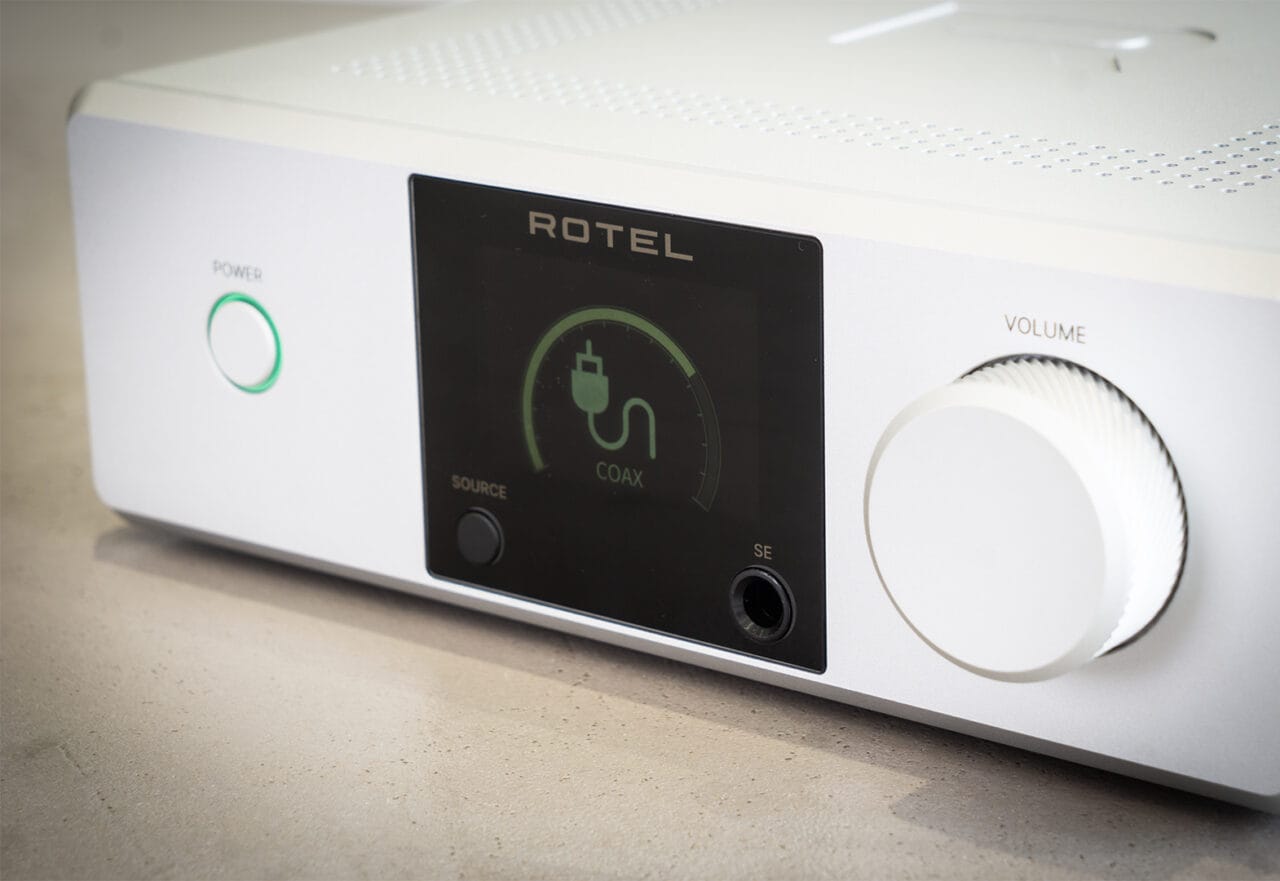
Smart looking display boasts graphics tailored to each input
Stretching the DX-5’s talents further, I introduced it to Monitor Audio’s Bronze 300 7G floorstanders in my main 4x6m listening room, which also allows access to my Pro-Ject Carbon turntable and Rega Fono Mk2 preamp. Burn The Witch from Radiohead’s Moon Shaped Pool LP is a track that’s designed to fill any space, thanks to its combination of synth, strings and driving baseline which build to a thrilling crescendo.
While it was no surprise to hear the DX-5 reveal a level of delicacy and timing to this menagerie of instruments, it truly impressed in its ability to comfortably handle the Bronze 300 7Gs. Okay, so it doesn’t have the level of thrust that my usual Arcam A25+ musters, but nor did the DX-5 sound anywhere near out of its depth in this respect, as it demonstrated its own set of strengths. And it’s also impressive to hear how the DX-5’s analogue input can deliver a performance that’s every bit the equal of its digital counterparts, the point being that the Rotel isn’t flustered if asked to be at the heart of a larger and more accomplished main system, which underlines how accomplished the compact Rotel really is.
In summary
This is an excellent little integrated amplifier, with a targeted feature set.
Because while on paper some rivals may have more inputs, or claim more power, the DX-5 prefers to focus on quality over quantity. Its compact size and digital versatility position it as a premium desktop device that’s aimed at the demanding modern listener, while not ignoring those who want to bring more traditional sources to the playback party.
That’s not to say it’s just fit for desktop duties, as with the right speakers it’ll also double up as an easy to accommodate integrated in most medium sized living rooms. Judged on these parameters, the DX-5 proves itself to be an amp that’s much greater than the sum of its power output.