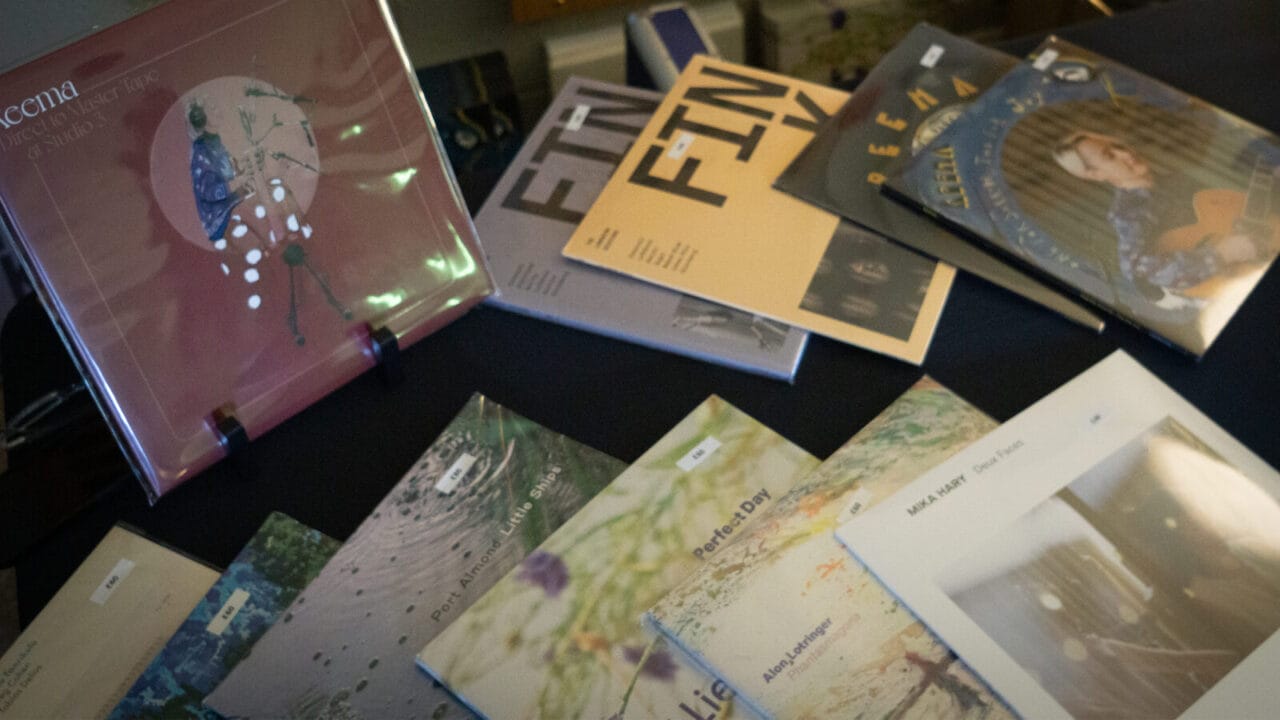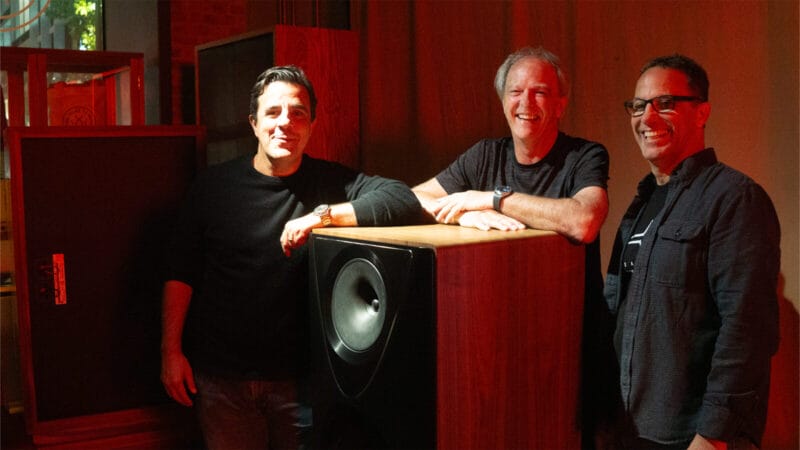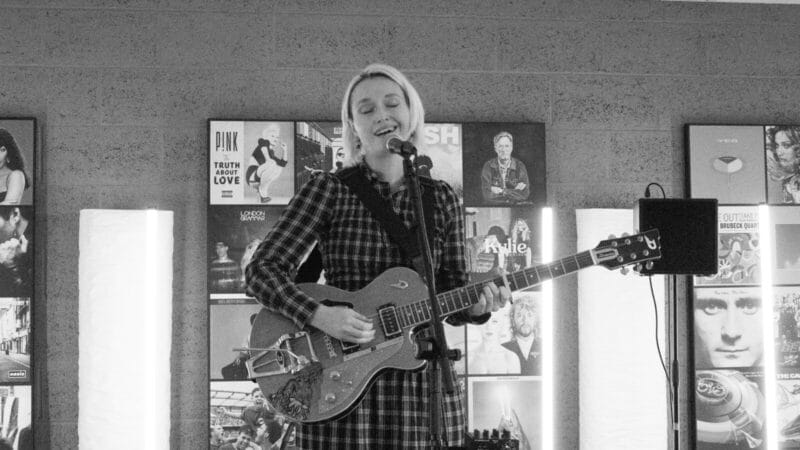




Marking the release of Reema’s latest album At Studio 3 (Direct to Disc/ Master), we speak to the man behind the recording.
Guy Sternberg is a respected music producer, recording and mixing engineer, and the founder of Berlin’s LowSwing records. In our exclusive interview, he tells us what makes LowSwings recordings stand out from the audio crowd.
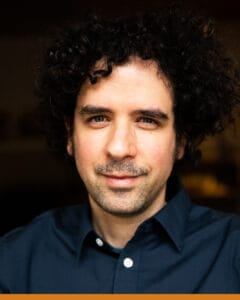
Guy Sternberg – the man with the analogue plan
What’s the story behind LowSwing Records?
“LowSwing Records was born out of a desire to preserve the magic of making records. Our releases are recorded entirely using analogue technology, without computers in the recording process. The slogan we use says it all: This record is pure analogue and 100% computer-free.
“I started my career as a music producer and recording engineer in the mid-1990s, at a time when the music industry still relied largely on analogue technology. In 2002, I opened LowSwing Recording Studio in Berlin. By then, digital recording had become the dominant medium, and analogue recording was considered by many to be a thing of the past.
“Like everyone else in the industry, I was fascinated by the possibilities and tools offered by digital technology. But it didn’t take long for me to feel that something was changing in a way I wasn’t entirely comfortable with. Digital tools made it possible to alter music to an unprecedented degree. Almost every aspect of a recording could be manipulated, from noise reduction to extensive editing of performances: vocals could be tuned, drum performances quantised, and individual parts changed and rearranged until they were “perfect” at least technically speaking.
“I began to feel that some of the magic of making a record was being lost. The imperfections, spontaneity and human interaction that make a performance unique were increasingly being treated as things that needed to be corrected. At the same time, streaming platforms began to take over the music world, leaving musicians struggling to make a living and changing the special relationship between artists and their audiences.
“All of this drew me back to my original love and passion: analogue recording. I wanted to preserve an approach to making records in which musicians play together, performances remain authentic, and the recording process captures something real rather than trying to make everything perfect.”
What sets you and your approach to recording and mastering apart?
“Working on a LowSwing Records album is something special. In a way, the closest equivalent in cinema would be Lars von Trier’s Dogme 95 films: a set of principles that strip away unnecessary layers of production to get closer to the essence of things.
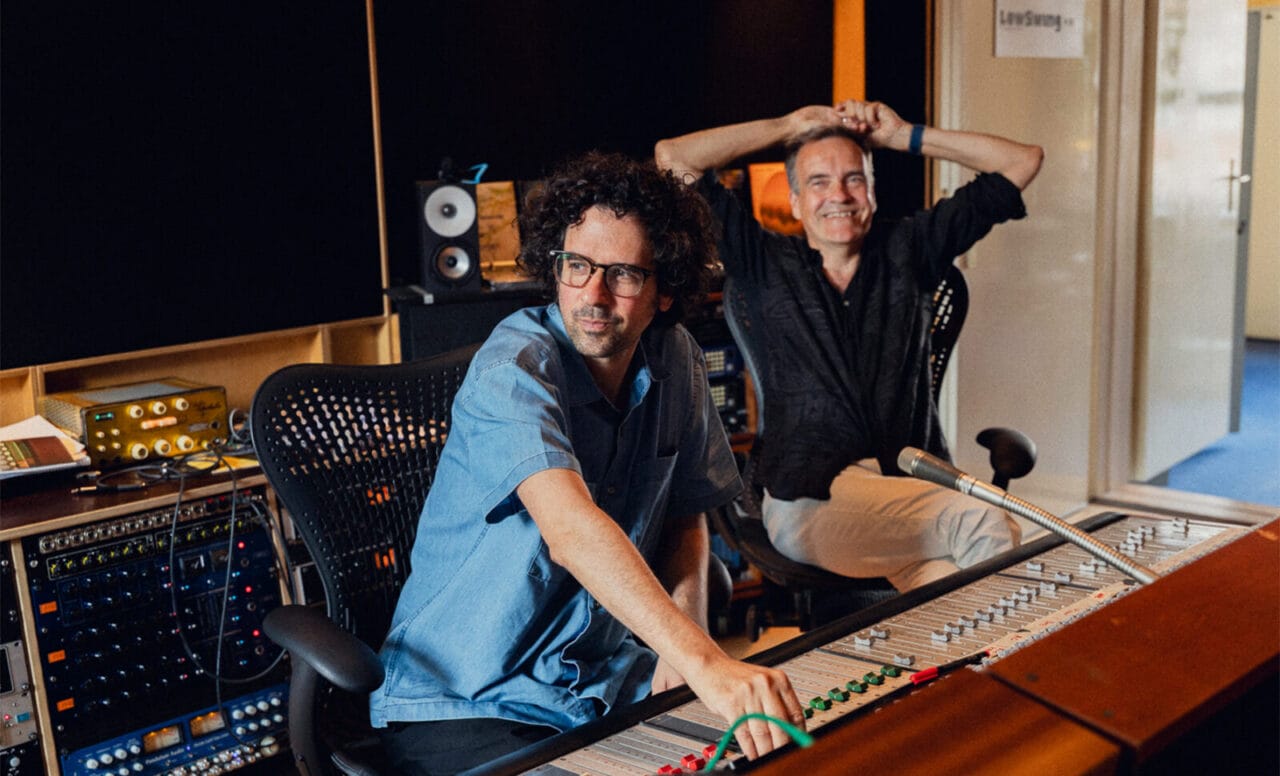
“The idea behind our approach is that analogue technology helps us focus on what really matters. We are not looking for perfection in the conventional sense, but rather for the perfect moment. As a producer, my work operates on several levels. On the technical side, it involves using analogue equipment, which, in my experience, can deliver a sound that is hard to achieve by other means, but requires considerable experience, precision and care to get the best out of it.
“Just as important, however, is the human element: the relationships between the musicians themselves, and between the artists and everyone else in the studio. I try to create the right environment for the music to come alive. When everything falls into place, I feel we get a genuine glimpse into the artist’s soul and the very DNA of the music. These moments are elusive and can disappear in an instant. My job is to be technically prepared enough to capture them when they happen, without compromising the quality of
the recording. The technology must be ready to serve the music, rather than the other way round.
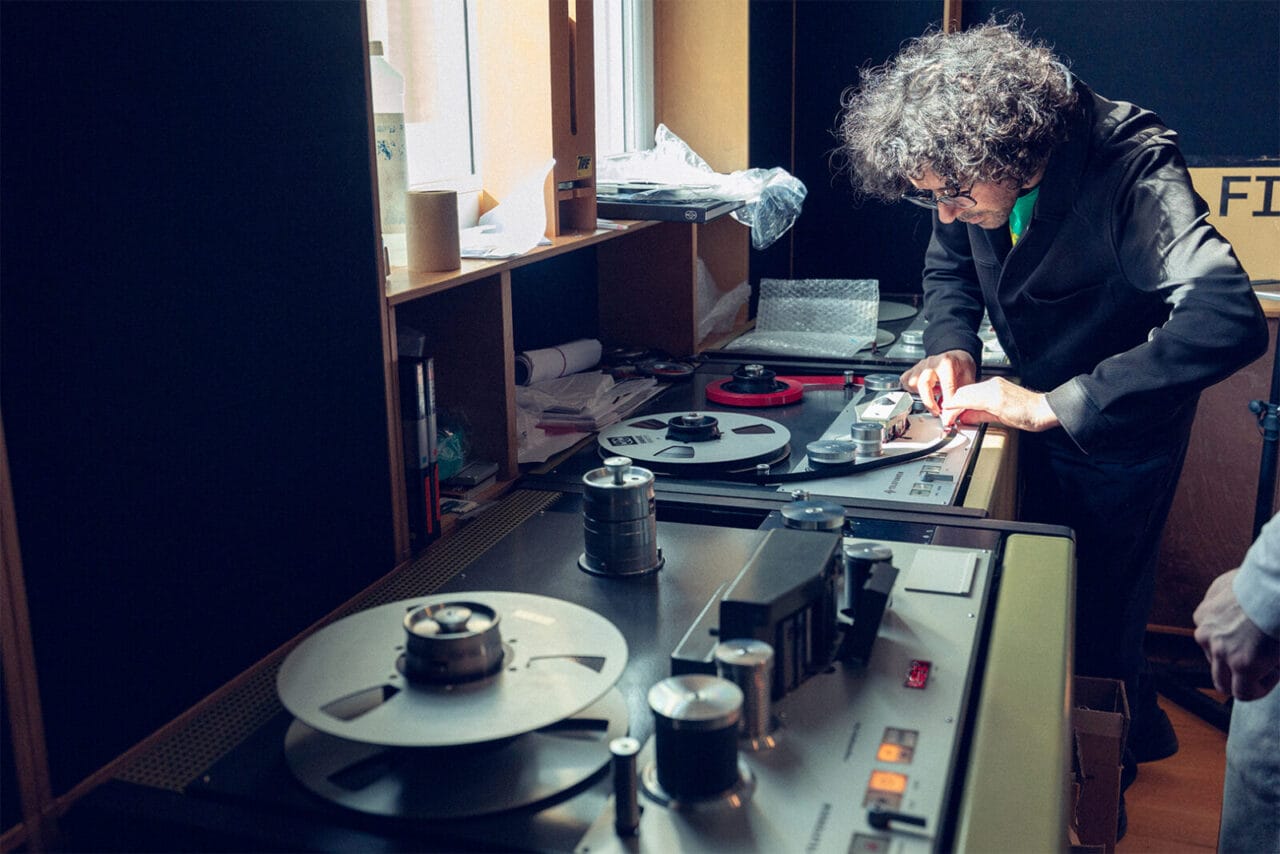
“I am especially passionate about vintage studio equipment, from German microphones of the 1950s and 1960s to British Neve consoles from the 1970s, as well as plate reverbs, tape delays and, of course, Telefunken tape machines. These are not simply vintage objects that I use for their nostalgic appeal. They are tools with a particular character, and knowing how to use them is an essential part of the process.
I am actively involved in every stage of production. Once the recording is finished, the next step is mixing: finding a careful balance that preserves the magic of the original performance while bringing out its most important details.
“When an album has been mixed down to half-inch tape — occasionally quarter-inch — I assemble the album on the master tape and take it to the cutting studio. There, the music is played directly from the master tape to the cutting lathe to create the lacquer master from which the records will eventually be pressed. This is an extremely delicate process, and it has a significant influence on the sound quality and fidelity of the final LP. I attend these sessions personally, guiding the mastering process as the music makes its journey from tape to lacquer. In real time, I have to make subtle adjustments to levels and equalisation to ensure that the sound translates as faithfully as possible to the physical record.
“All these elements — the equipment, the technical expertise, the human interaction and the importance of capturing a performance in the moment — make our approach very different from much of the mainstream music production we hear today.
With the growing use of AI in music creation, I feel it is becoming even more important to preserve what makes music human: the interaction between musicians, the unpredictability of a performance and those fleeting moments that cannot be planned, programmed or recreated. For me, that is what making a record is all about.
How did your partnership with Reema and this album come about?
“Reema and I have been working together for many years. Her first album on LowSwing Records was released in 2017 as the label’s second release, and it remains one of our best-selling records. When the time came to make a new album, we started discussing what kind of record we wanted to create. We both felt that a more stripped-back and intimate approach would be the right direction. That was when the idea of recording directly to disc began to take shape.
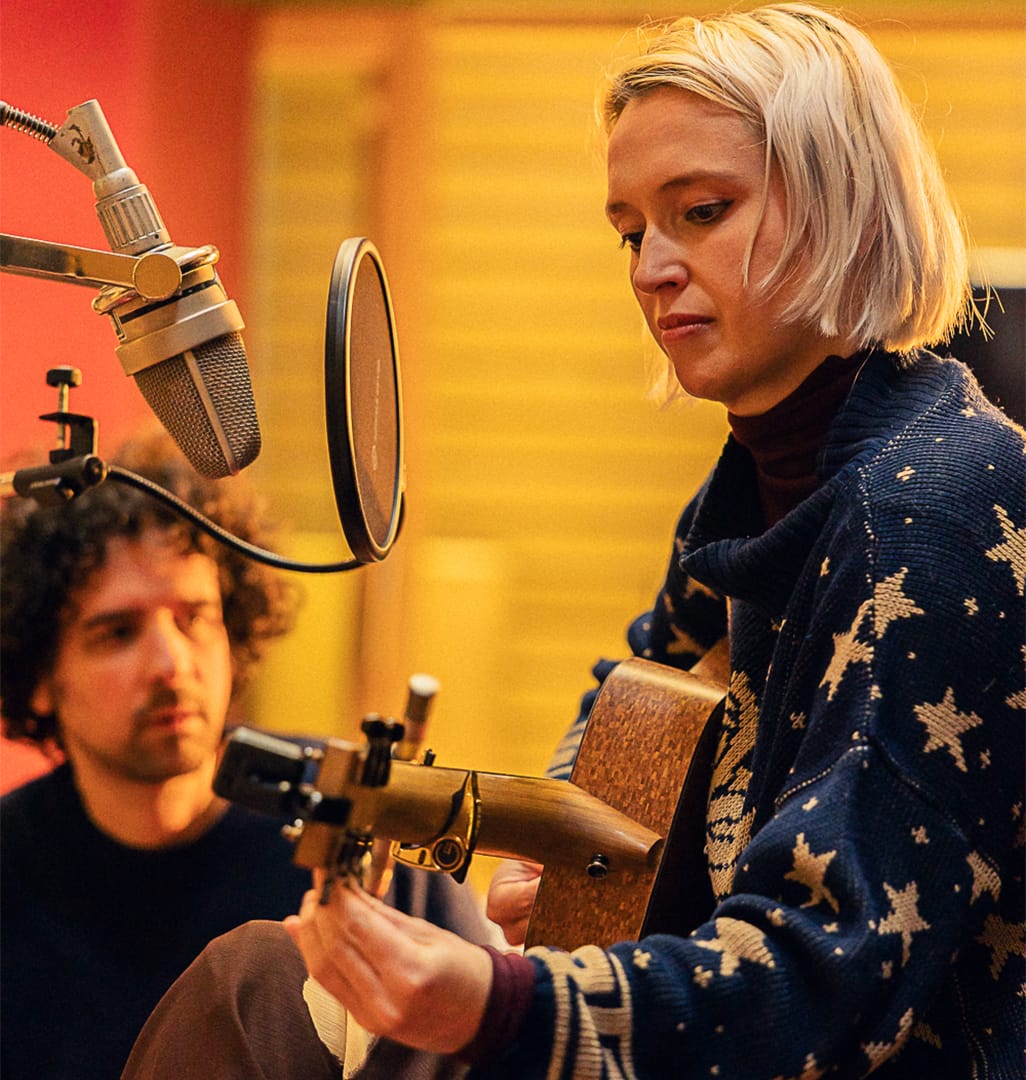
“Direct-to-disc recording demands an extraordinary level of performance from the artist, and Reema is the perfect person for this challenge. She had to perform an entire side of the record in one take, including all the pauses between songs. There was no room for editing, no possibility of fixing anything afterwards – everything had to happen in the moment.
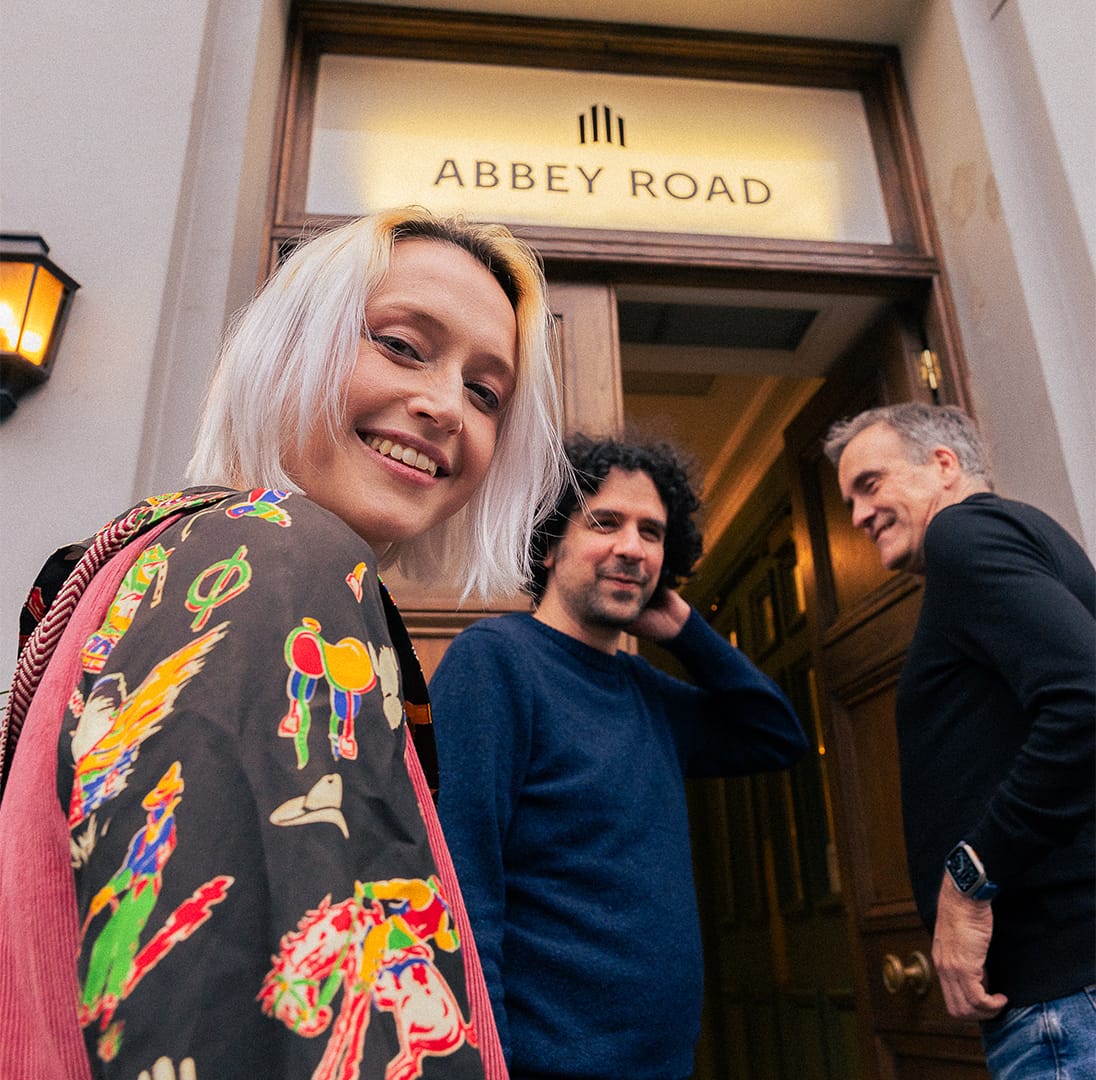
“This is where you really see what a great artist is capable of. Reema’s concentration, her emotional depth and her ability to connect with the music throughout an entire side of a record are truly remarkable. When it came to finding the right setting for such a recording, we quickly agreed on the legendary Abbey Road Studios. We chose Studio Three — hence the album’s title — for its history and, above all, for the room’s very distinctive and beautiful acoustics.
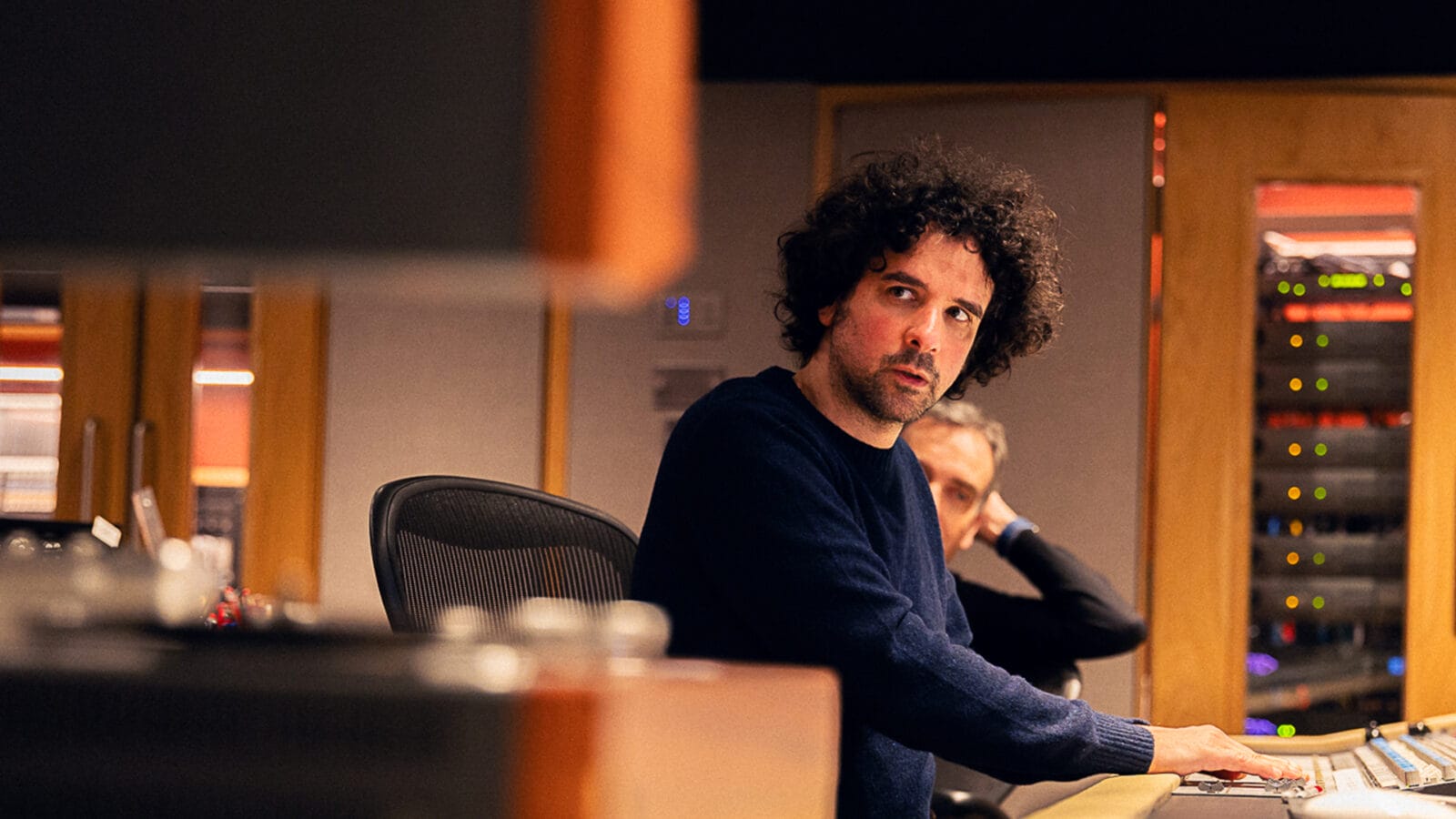
“Reema performed in the live room, while I worked in the control room, mixing and balancing the microphones on the studio’s large SSL console. My mix was cut directly to lacquer in real time by Alex Gordon in the Abbey Road mastering studio on the floor above, while the performance was simultaneously recorded to master tape. In the end, we were fascinated by the differences between the two formats: the direct-to- disc recording and the master-tape version. Each had its own character and sonic qualities, and we felt that these differences were significant enough to make both versions worth releasing.
“So we decided to release the album in both formats, allowing listeners to experience two different interpretations of the same performance — captured in the same room, at the same time, but preserved in two very different ways.”
What are the albums and artists that you wish you’d worked on, with and why?
“I would have loved to be in the room for any of Rudy Van Gelder’s recordings in the ’60s. I’m also saddened that I never got the chance to meet or work with David Bowie. As for some of my other heroes who are still with us, I’d rather not mention any names, I wouldn’t want to jinx my chances of working with them at some point! 😉”
What’s next – any exciting releases and sessions on the horizon we can look forward to?
“I can’t reveal all the details just yet, but I can share the names of a few artists we’re currently working with or recording. Last summer, I recorded a new album with the “Godfather of Alternative Country”, Mr Howe Gelb, and I’m absolutely thrilled with the result. I hope the record will be released in early 2027.
“There are several other exciting projects in the pipeline, including a second album for LowSwing with the wonderful singer-songwriter Lori Lieberman, as well as projects with dub and post-punk legend Jah Wobble, and outstanding jazz musicians such as Eric Schaefer, Haggai Cohen-Milo and pianist Marcin Masecki, just to name a few.”
[Images © Katha Mau Photography]